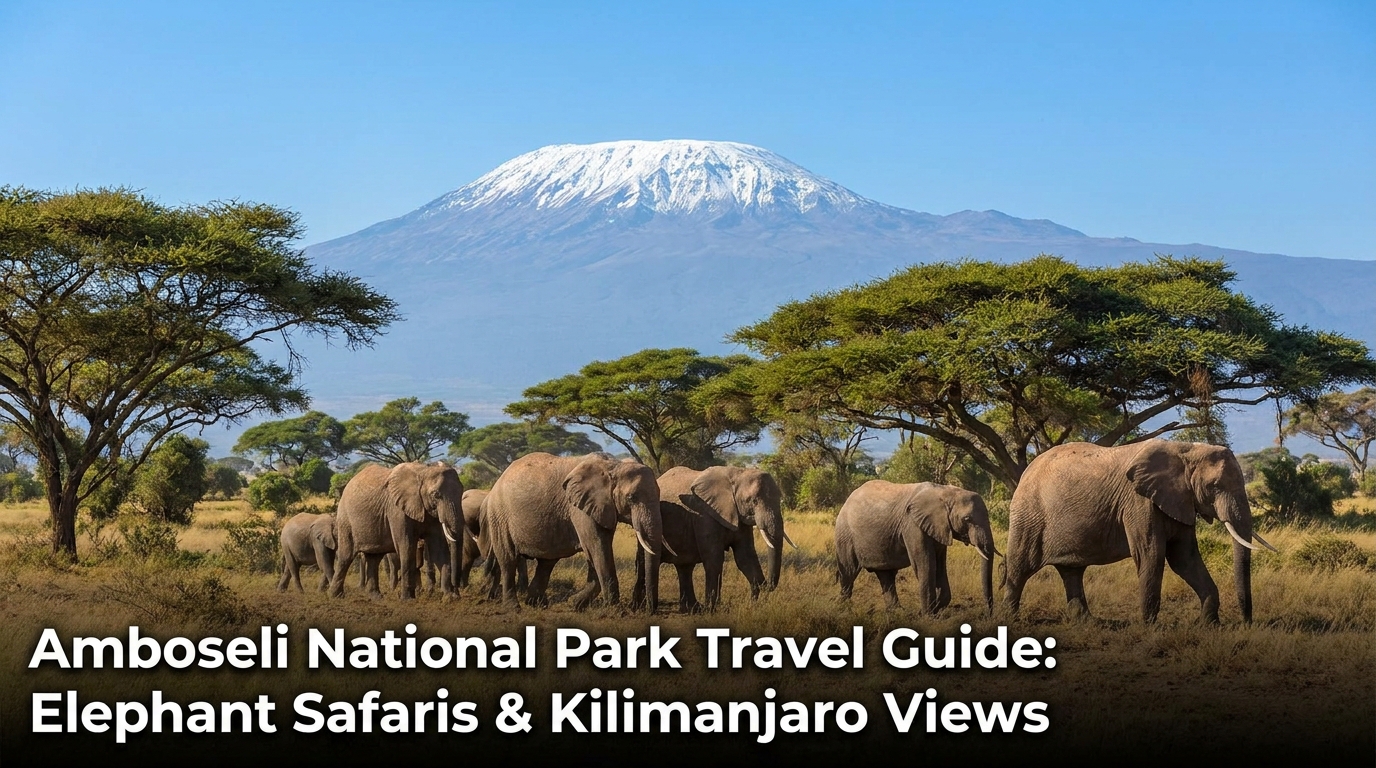
National parks in Kenya offer a captivating wilderness that enchants global adventurers. Among the most spectacular destinations in Kajiado County is Amboseli National Park. This national park is globally renowned for presenting panoramas of giant elephant herds framed by the snow-capped peak of Mount Kilimanjaro. Visiting this region delivers an unforgettable safari experience, where the beauty of the savanna landscape merges seamlessly with rich biodiversity.
Every corner of this sanctuary harbors unique natural wonders. Beyond the majestic sights of elephants, natural freshwater swamps situated amidst this semi-arid environment serve as a gathering point for hundreds of wildlife species. The summit of Mount Kilimanjaro, frequently emerging from behind the morning clouds, perfectly completes the backdrop for your travel photographs.
Thorough vacation planning is essential to enjoy the beauty of this area to its fullest. Understanding the travel itinerary, accommodation choices, and the best time to visit will make your adventure far more memorable and efficient.
The Core Charm of Amboseli National Park and Its Unique Ecosystem
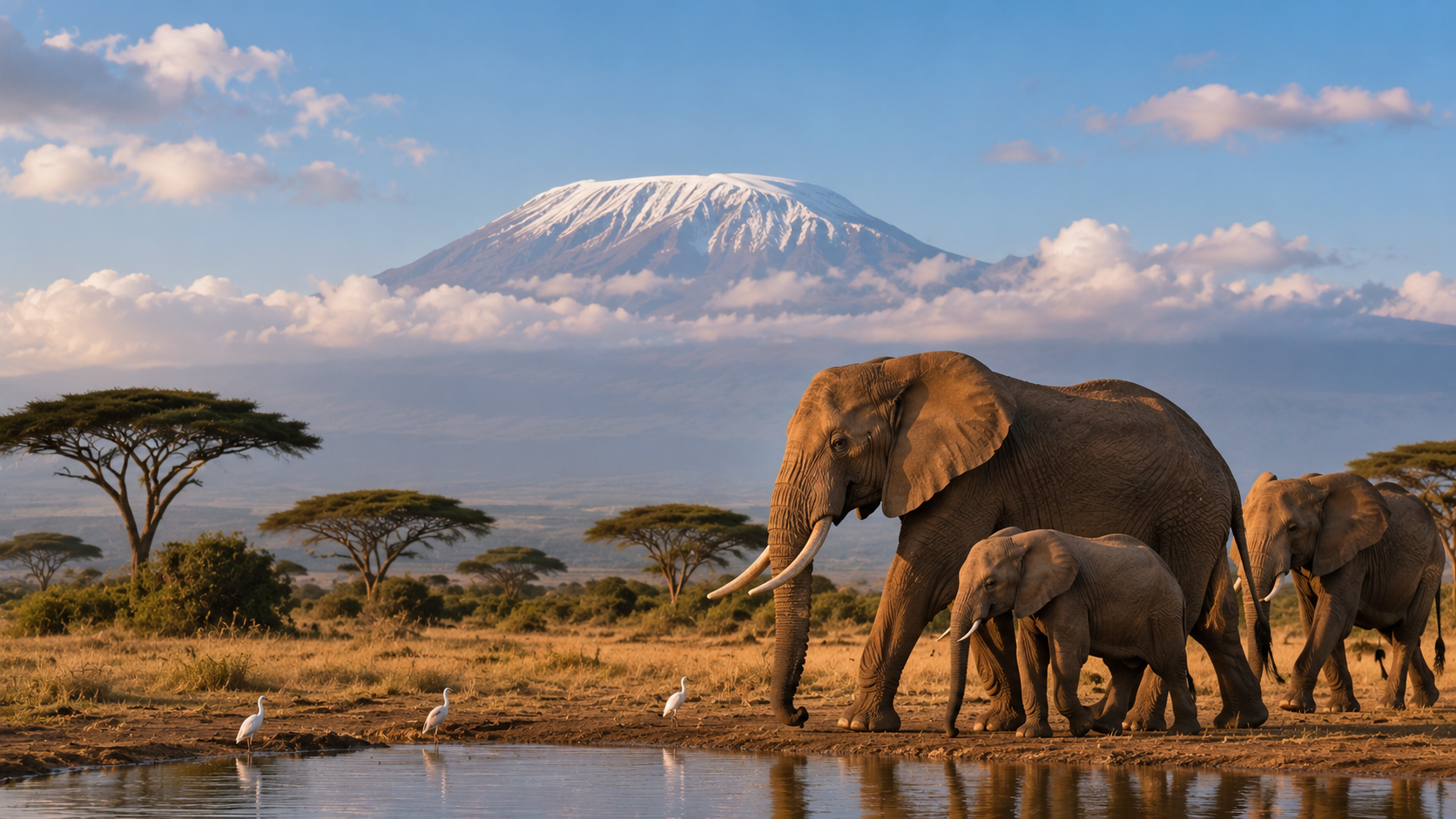
The ecosystem in this region is extraordinary, dominated by open savanna plains and freshwater swamps. The water supply for these swamps originates directly from the melting snows of Mount Kilimanjaro, flowing underground into the basin. This constant water source amidst an otherwise dry landscape attracts thousands of animals to gather and forage daily.
Giant Elephant Herds and the Elephant Research Project
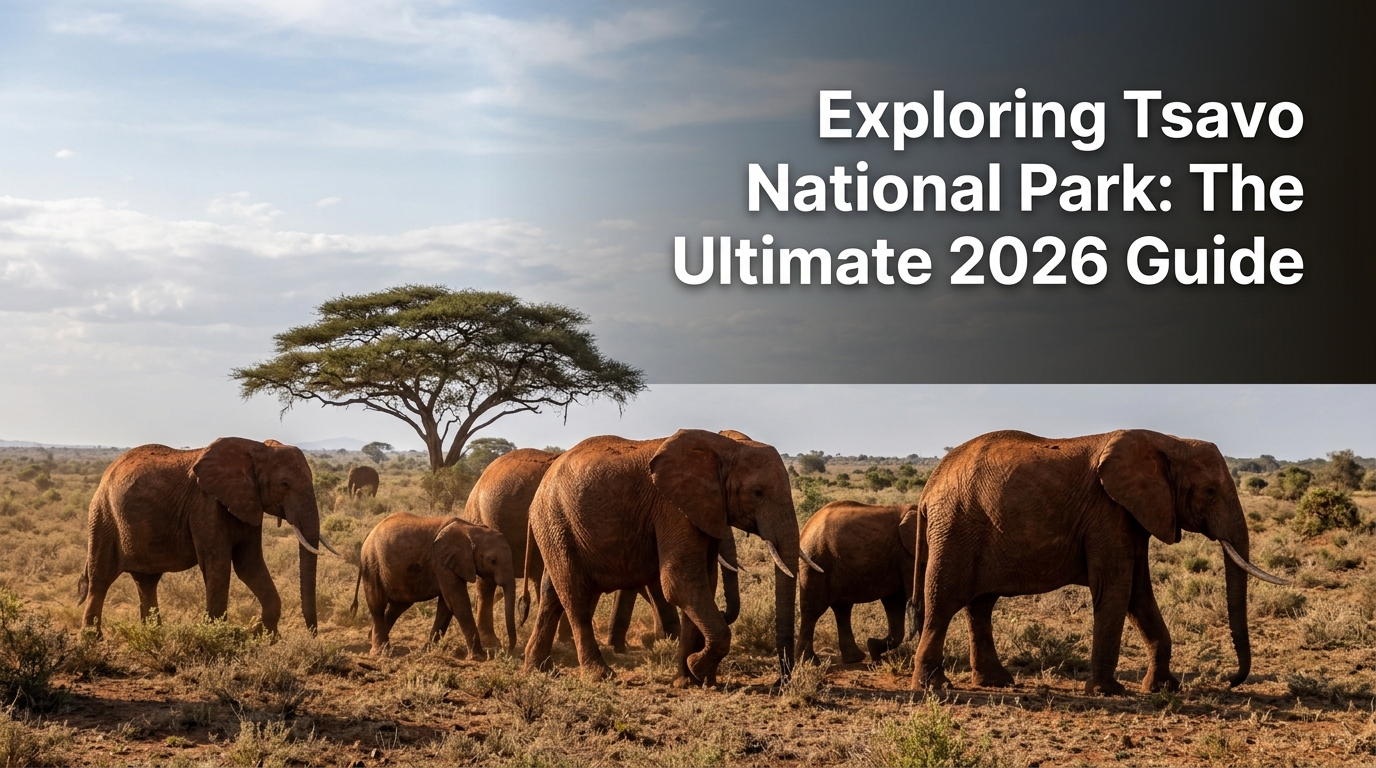
One of the greatest highlights for visitors is the abundant population of African elephants. Here, you can witness herds walking gracefully across the open savanna. Interestingly, the elephants in this region possess exceptionally large tusks because they have been well protected from poaching for decades.
The presence of the Elephant Research Project, founded by Cynthia Moss decades ago, makes the elephant population here among the most thoroughly documented in the world. Researchers have cataloged family lineages, social behaviors, and migration patterns for hundreds of individual elephants. Visitors can learn how interactions between elephant generations unfold naturally in their native habitat.
Rich Wildlife Viewing and Species Diversity
It is not just the elephants that captivate travelers; the diversity of Amboseli National Park animals serves as a major draw for guides and tourists alike. The Kenya wildlife viewing experience here allows you to spot members of the Big Four, including lions, leopards, and African buffaloes. Meanwhile, cheetahs, hyenas, Masai giraffes, zebras, and thousands of antelopes coexist within this vibrant savanna ecosystem.
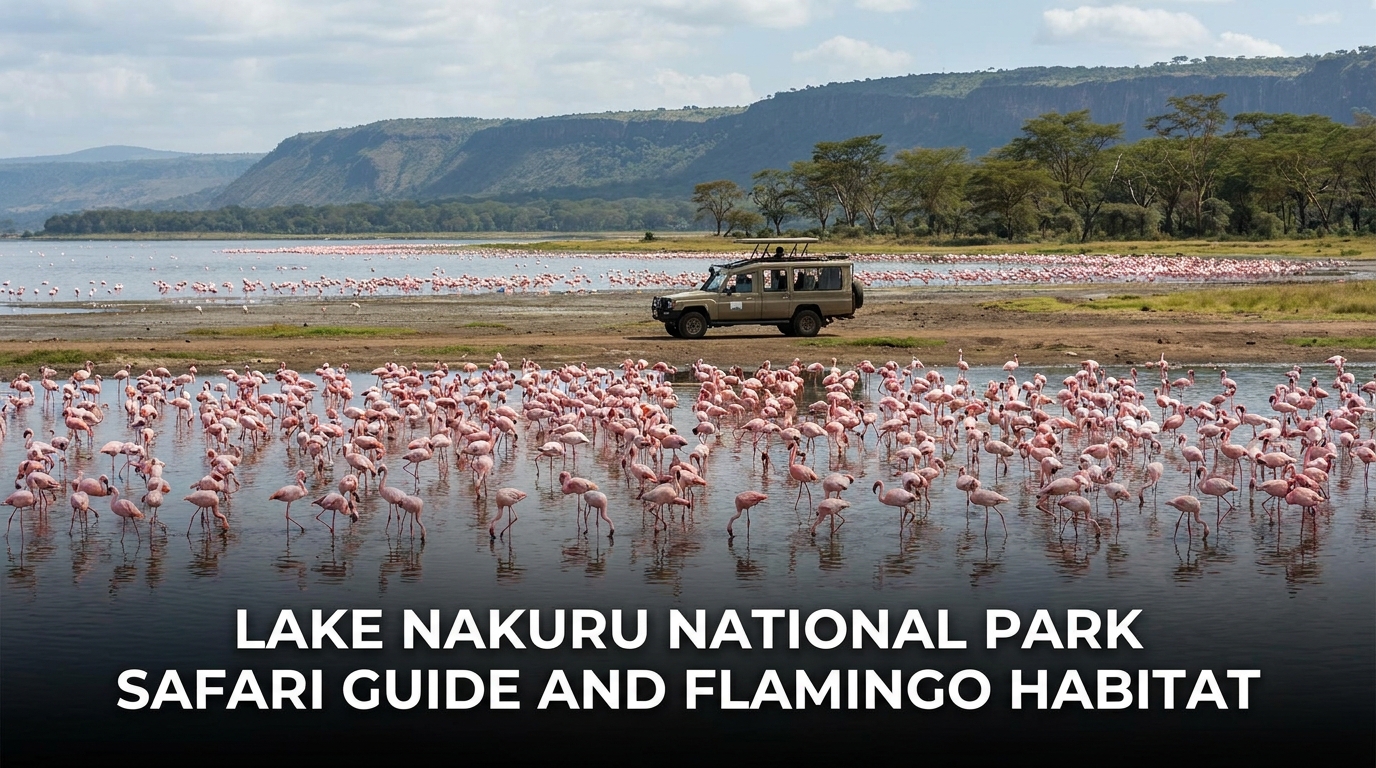
For birdwatchers, the waterways and marshes offer a paradise inhabited by over four hundred bird species. You can observe pelicans, flamingos, and various species of eagles hunting near the water’s edge. This abundance of fauna ensures that an Amboseli National Park safari game drive remains full of exciting discoveries along every route.
Safari Photography Guide and Best Photo Spots
The combination of open landscapes and the backdrop of Africa’s highest peak makes this region a dream location for wildlife photographers. Every angle provides dramatic natural lighting, particularly during sunrise and sunset.
Majestic Panoramas from Observation Hill
The finest vantage point for a sweeping view of the area is Observation Hill. This hill is the only location in the park where visitors are permitted to step out of their safari vehicles and hike to the summit on foot. From the top, you can gaze across the vast savanna, the Enkongo Narok swamp, and the movement of elephant herds far below.
The spectacular panorama from this hilltop provides an ideal location to capture full Mount Kilimanjaro views. During mid-day, you can watch aquatic wildlife congregate in the marshes to cool down. The site is also equipped with comfortable resting areas, making it a great spot to enjoy a picnic lunch while taking in the landscape.
Tips for Photographing Wildlife Against Mount Kilimanjaro
Capturing a photo of elephants set against Mount Kilimanjaro requires patience and precise timing. Heavy cloud cover often obscures the mountain peak by mid-day. Therefore, the optimal windows for photography are from dawn until eight in the morning, or late in the afternoon as the clouds begin to disperse.
Using a telephoto lens allows you to capture detailed animal expressions from a safe distance. Conversely, a wide-angle lens works brilliantly when a herd passes close by with the mountain peak towering in the background. Position your safari vehicle parallel to the morning sunlight to achieve warm, natural tones in your images.
Accommodation and Safari Lodge Comparisons
Selecting the right place to stay elevates your overall comfort during a Kenya safari adventure. A wide range of accommodation options exists to suit your preferences and travel budget.
Staying Inside the National Park vs. Outer Conservancies
Before choosing a place to stay, it is important to understand the difference between lodging inside the public park and staying within private conservancies. Staying inside the park boundaries offers quick access to prime locations like Observation Hill and the primary swamp areas. In comparison, lodging inside the national park saves travel time during early morning game drives.
Conversely, lodging in private conservancies beyond the park boundaries allows for increased flexibility in activities. In conservancies managed alongside the local Maasai People, you can enjoy night safaris, guided walking safaris across the savanna, and off-road driving. These exclusive activities are prohibited inside public national park limits to preserve the natural environment.
Recommendations for the Best Lodges in Amboseli and Tented Camps
The region offers a variety of high-quality accommodations delivering world-class comfort in the wild. Choices among the best lodges in Amboseli, such as Ol Tukai Lodge and Amboseli Serena Safari Lodge, are strategically situated inside the park and offer direct mountain views right from your room. Both properties feature complete amenities, including swimming pools, fine dining restaurants, and lush gardens.
Alternatively, Tortilis Camp and Porini Amboseli Camp offer luxury tented camp concepts that blend harmoniously with the surrounding environment. Staying in a tented camp provides the sensation of being close to the nocturnal sounds of nature without sacrificing the comfort of plush beds and en-suite bathrooms. Many of these properties also adhere strictly to sustainable practices, supporting local conservation efforts and community welfare.
Embark on Your Ultimate Kenyan Wilderness Journey
Planning your expedition to Amboseli National Park around the dry season ensures optimal wildlife viewing and crystal-clear vistas of Mount Kilimanjaro. Combining proper preparation with an appreciation for local wildlife conservation will elevate your travel experience into an exceptional safari adventure.
Prepare your camera gear, arrange your safari itinerary, and step into an awe-inspiring sanctuary where giant elephants roam freely beneath the roof of Africa.
Route Planning and Amboseli Safari Packages
Designing an efficient itinerary ensures your safari trip runs smoothly. Understanding transportation choices and tour options helps you optimize your travel budget.
Transport Options from Nairobi to Amboseli
The overland drive from the capital city of Nairobi to this region takes approximately four to five hours. The main highway route from Nairobi to Kajiado County is fully paved, making the journey comfortable. Driving by road also grants you the opportunity to admire Kenya’s countryside and scenic rolling hills along the way.
For travelers with limited time, domestic flights offer a swift alternative. Flights operating from Wilson Airport in Nairobi to the Amboseli Airstrip take only about forty-five minutes. This short flight delivers breathtaking aerial views over the African landscape.
Choosing Amboseli Safari Packages and the Best Time to Visit
Hiring a professional safari guide through an official tour provider is strongly recommended for safety and convenience. Reputable travel agencies typically curate Amboseli safari packages that cover specialized safari Land Cruisers, park entry permits, lodging, and meals. Experienced local guides are highly skilled at tracking down hidden wildlife.
The dry seasons from June to October and January to February represent the optimal periods to visit. During these months, the savanna grass remains short, making animals easier to spot as they gather around the swamp water sources. Before traveling, ensure you pack comfortable clothing for warm daytime temperatures alongside a warm jacket for the cool morning air.
Cultural interactions with the local Maasai People form an integral part of your safari itinerary. Visiting a traditional Maasai village offers rich insights into their customs, traditional dances, and local wisdom regarding co-existence with wildlife. This cultural experience adds profound depth to your Kenyan journey.
To expand your knowledge of African travel, you can consult our comprehensive Kenya safari guide covering other premier destinations. Additionally, official information regarding conservation regulations and park entry fees can be accessed directly on the Kenya Wildlife Service portal.
Conclusion
An adventure to Amboseli National Park delivers a seamless blend of grand Mount Kilimanjaro vistas and close encounters with African elephant herds. Open landscapes, natural swamps, and the living heritage of the local culture make this destination one of the finest places on Earth to experience wild nature. Through careful route planning and selecting appropriate accommodations, your safari vacation will become a truly unforgettable lifetime experience.
Plan your dream safari journey today and experience the warmth and majesty of the African landscape firsthand. Select a travel package tailored to your needs and prepare to capture unforgettable memories in the heart of the savanna.
Frequently Asked Questions Before Traveling to Amboseli
What is the ideal number of days to explore Amboseli National Park?
The ideal duration to explore the park is two to three days. This timeframe allows sufficient opportunity to enjoy multiple game drives during the early morning and late afternoon. Additionally, it leaves adequate time to visit Observation Hill and engage with local communities in neighboring villages.
Is Mount Kilimanjaro always clearly visible throughout the day?
Mount Kilimanjaro is not always visible all day, as the summit frequently becomes shrouded in thick clouds by mid-day. The optimal times to view the clear, snow-capped peak are early in the morning at sunrise or late in the afternoon before sunset when the skies are generally clearer.
Why do elephants in this park have relatively large tusks?
The elephants here possess large tusks because their population has remained relatively safe from poaching, thanks to decades of strict protection measures. Furthermore, the rich availability of nutrients from swamp vegetation supports optimal physical growth, while preserved genetic traits favor large tusk development among males.
Is it safe to go on a safari in this area?
Safaris are very safe provided visitors strictly follow guide instructions and official park regulations. While inside park grounds, tourists are required to remain inside designated safari vehicles. Stepping out of the vehicle is permitted only in designated areas such as Observation Hill and official picnic sites.
What is the main difference between staying at a lodge versus a tented camp?
Lodges are generally permanent structures offering hotel-style amenities with solid walls and modern infrastructure. Tented camps, conversely, utilize high-quality canvas tent structures built over solid foundations, providing an immersive stay closer to nature. Both accommodation types offer high comfort, secure bedding, and private en-suite bathrooms.