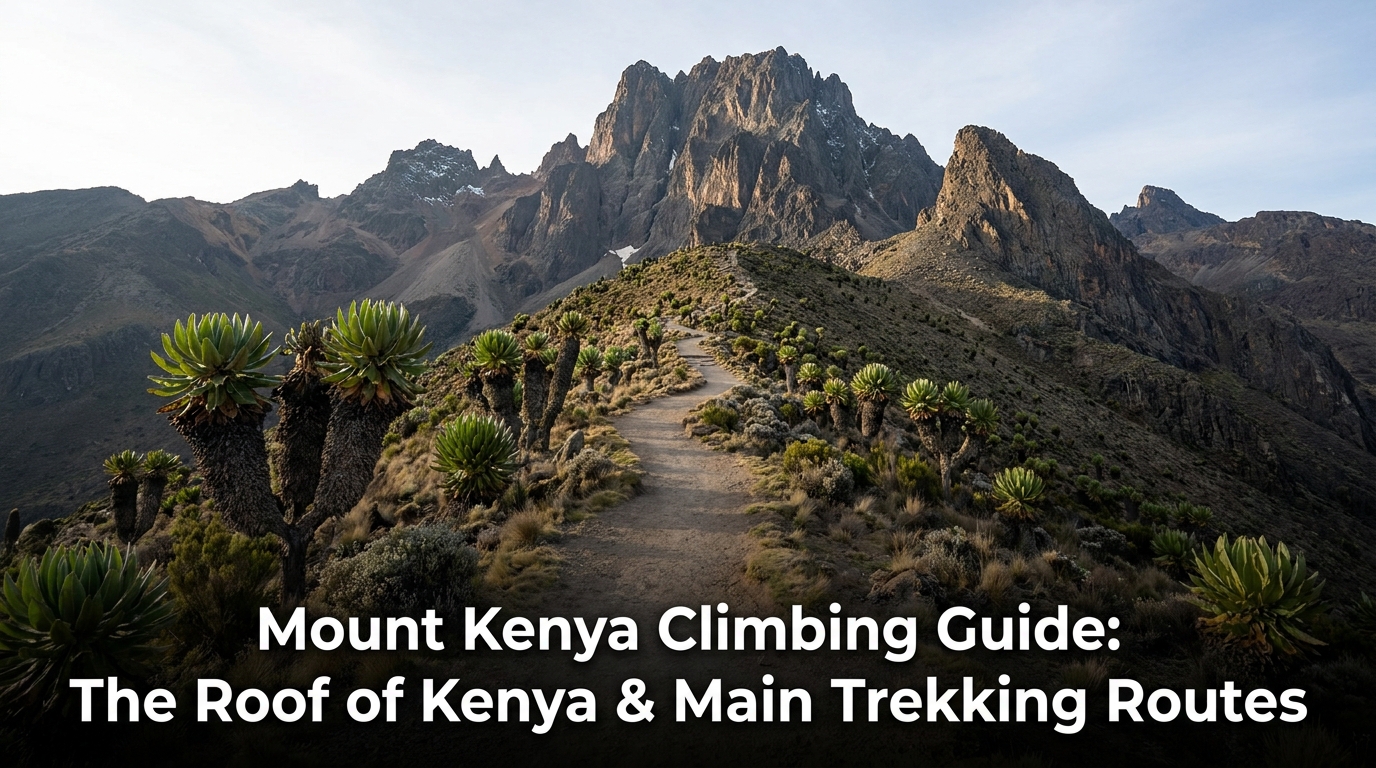
Exploring the East African mountain regions offers an extraordinary, unforgettable adventure. Amidst vast sweeping savanna landscapes, Mount Kenya stands majestically as the second-highest point on the African continent. This ancient volcano towers to an elevation of 5,199 meters above sea level. Its dramatic natural beauty blends alpine meadows, tropical rainforests, and rare permanent glaciers. For true adventurers, this region delivers a trekking experience that is as challenging as it is breathtaking.
Many global climbers consider this mountain a favorite destination due to its extraordinary variety of landscapes. Unlike its neighbor, Mount Kilimanjaro, Mount Kenya features quieter trails with fewer crowds. This comprehensive guide helps you plan a safe and memorable climbing expedition to Point Lenana Peak.
The Charm of Mount Kenya: Africa’s Second-Highest Mountain
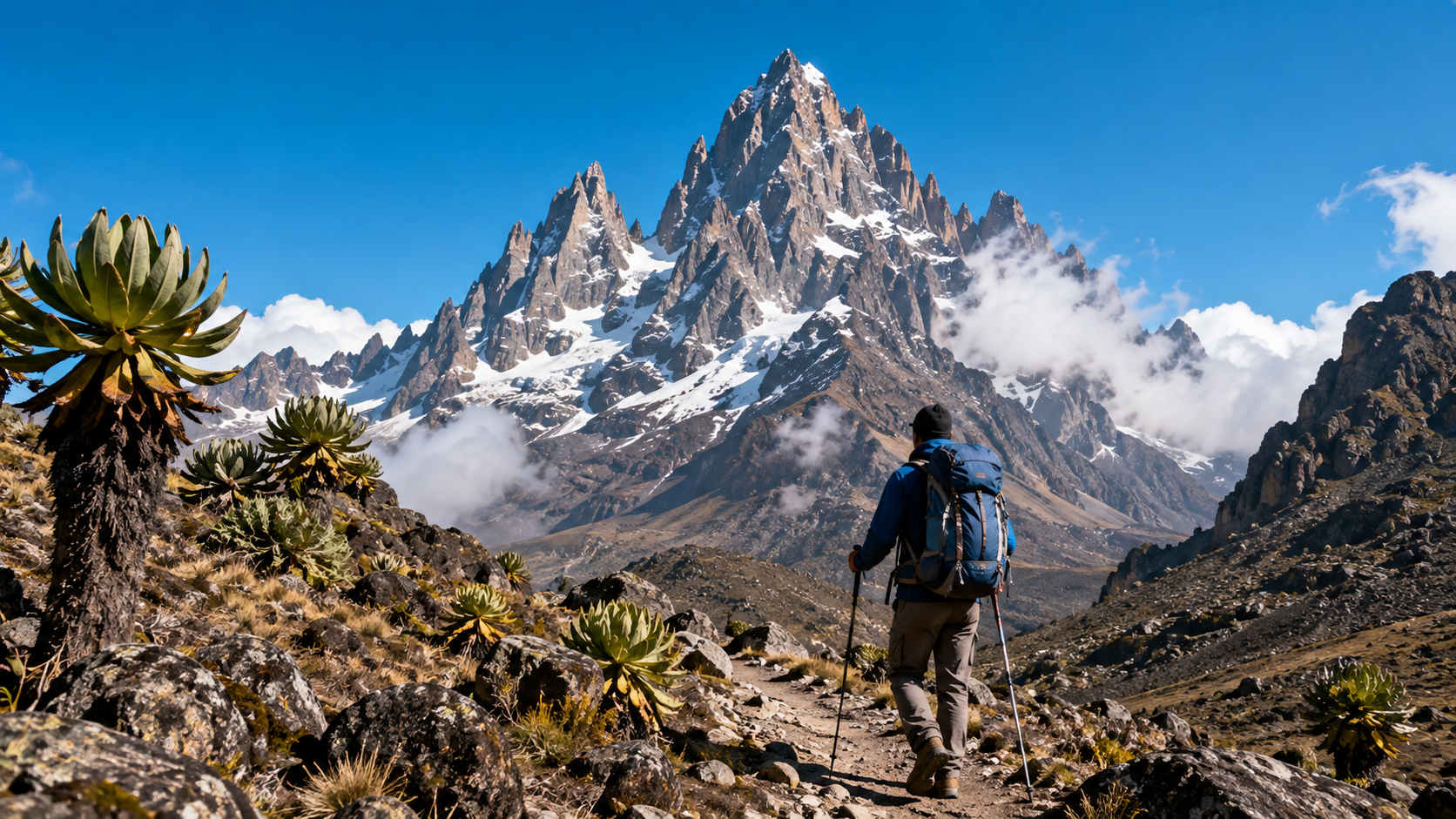
This mountain region is surrounded by a high-value conservation area known as Mount Kenya National Park. This nature reserve has been designated as a UNESCO World Heritage Site due to its unique biodiversity and geological beauty. In the lower mountain zones, trekkers frequently encounter iconic African wildlife. Elephants, wild buffalo, and various rare monkey species roam freely throughout these mountain forests.
Interestingly, the summit structure consists of several main peaks with varying difficulty levels. The tallest summits are Batian at 5,199 meters and Nelion at 5,188 meters. Both primary peaks require advanced rock climbing techniques and professional gear. Meanwhile, the third-highest peak, Point Lenana at 4,985 meters, can be reached via a standard Mount Kenya trek without requiring technical climbing skills. Point Lenana is the primary target for the vast majority of trekkers and general adventurers.
The ecosystem diversity in this region is divided into several vegetation zones based on altitude. The journey starts in dense lowland rainforests, crosses bamboo belts, and enters moorland areas filled with giant endemic plants. The stark contrast in landscapes at every elevation level delivers an unmatched visual adventure.
Comparative Analysis of Mount Kenya Climbing Routes
Selecting the right climbing route is the key to a successful expedition. There are three primary routes most frequently used by international trekkers. Each trail possesses distinct characteristics, steepness levels, and landscape views.
Determining your route should align with your physical fitness level, climbing experience, and time availability. Understanding the advantages and drawbacks of each route will help you assemble a more structured itinerary.
Sirimon Route: The Most Popular Trail with Best Acclimatization
The Sirimon Route, found on the northwestern side, is a popular trail among numerous climbers. This route features a relatively gentle and steady elevation gain, providing excellent acclimatization for the body. The landscape along this trail is dominated by dry forest and the Mackinder Valley, offering views of unique giant vegetation.
For your information, this trail lies in an area that is relatively drier compared to other sides of the mountain. The risk of heavy rainfall on this route tends to be lower, making the trekking path relatively safer from thick mud. The Sirimon Route is highly recommended for beginners or those seeking to minimize the risk of altitude sickness.
Hut facilities along the Sirimon trail are comprehensive and well-maintained. Climbers can choose to stay in comfortable wooden huts or pitch tents at designated campsites. The neatly arranged trail conditions make the journey feel more relaxed and enjoyable.
Chogoria Route: The Most Scenic Trail with Spectacular Views
For photography enthusiasts and nature lovers, the Chogoria Route on the eastern side is the finest choice. This trail is widely recognized as the most breathtaking route across the entire mountain range. Trekkers are treated to spectacular sights such as Nithi Waterfall, Gorges Valley, and the charming Lake Michaelson.
However, this route requires a slightly longer journey to complete. The longer distance tests trekkers’ physical endurance to the fullest throughout the trek. Many Mount Kenya climbing guide resources advise using the Chogoria Route as a descent path to enjoy the scenery to the fullest without rushing.
Trekking past sheer cliffs and alpine lakes along the Chogoria trail delivers an authentic wilderness adventure atmosphere. The relatively quieter trail, away from heavy trekker traffic, makes the outdoor experience feel even more authentic.
Naro Moru Route: The Fastest and Most Challenging Trail
Located on the western side, the Naro Moru Route is the shortest and fastest way to access the Point Lenana route. It is the most frequently used trail for rescue teams and climbers with limited time. Although fast, this route features very steep and exhausting terrain.
One of the most famous challenges on this trail is the vertical bog area filled with thick mud. Trekkers must navigate muddy climbs that consume significant energy before reaching high camp. Compared to other routes, Naro Moru has the most extreme steepness, which can potentially trigger altitude sickness if climbed too rapidly.
Despite the tough trail, the beauty of the lower bamboo forest on Naro Moru offers equally captivating views. This route is often combined with other trails, such as ascending via Sirimon and descending via Naro Moru for a varied experience.
Physical Preparation and Altitude Acclimatization Strategies
Climbing to an altitude of nearly five thousand meters requires prime physical condition. Aerobic training such as running, swimming, and incline running is highly recommended starting two months prior to departure. Building leg strength and endurance will be extremely helpful when trekking with a weight on sloped terrain.
Beyond physical stamina, acclimatization is the most critical factor in preventing altitude sickness. The main key to successful acclimatization is walking at a slow pace. Consuming at least three to four liters of water per day is strongly advised to maintain body hydration at high altitudes.
Gearing up properly must not be overlooked for safety during the trek. Nighttime temperatures close to the summit can fall below freezing. As a recommendation, build a hiking gear guide checklist that includes windproof jackets, thermal layering, waterproof hiking boots, and a high-quality sleeping bag. Bringing trekking poles also helps reduce stress on knee joints during steep descents.
Understanding your body’s signals along the trail is vital. If you experience severe dizziness, nausea, or shortness of breath, inform your guide immediately so initial measures can be taken or a decision can be made to descend to a safer altitude.
Estimated Trekking Costs and Best Climbing Seasons
Planning a climbing budget requires accounting for several essential cost components. These include national park entry fees, licensed local guide services, porters, and food logistics. Using a trusted local tour operator will simplify permits and ensure safety throughout the expedition.
The best time to climb is during the dry seasons. The first dry season runs from January to February, while the second dry season occurs from July to October. During these periods, weather conditions tend to be clearer, and views around the summit are sharp and unobstructed by heavy clouds.
Climbing during the rainy season is possible, but risks are significantly higher. Trekking paths become extremely slippery and muddy, and summit views are often obscured by dense fog. Therefore, scheduling your visit during the dry months is the wisest approach.
After completing your trek, adventurers can extend their journey to explore other Kenya natural attractions. Combining trekking with a high-altitude wildlife safari across lowland plains creates a perfect, unforgettable holiday experience.
Ready for the Ultimate East African Expedition?
Conquering Point Lenana Peak offers the perfect combination of physical challenge and spectacular natural beauty. By selecting an appropriate route, preparing physically, and adhering to proper acclimatization rules, your dream of standing atop the roof of Kenya can come true safely. The unique vegetation and sunrise views over ancient glaciers will fully reward every bit of effort along the trail.
Start planning your itinerary today by building your physical fitness and equipping yourself with essential outdoor gear. Choose a visit during the dry season so your trekking experience runs smoothly and pleasantly. Experience the finest outdoor adventure on the African continent and create memories that will last a lifetime.
Frequently Asked Questions About Mount Kenya Climbing
What Is the Ideal Number of Days to Climb Mount Kenya to Point Lenana?
The ideal duration to climb to Point Lenana Peak is five to six days. This timeframe allows sufficient time for the body to acclimatize to high altitudes properly, significantly reducing the risk of altitude sickness.
Can Beginner Climbers Reach Point Lenana Peak?
Beginner climbers with a good level of physical fitness can reach Point Lenana. The peak does not require technical rock climbing skills, though climbers must be prepared for steep terrain and extreme cold weather.
How Does Climbing Mount Kenya Compare to Mount Kilimanjaro?
Mount Kenya offers more varied landscapes with greener vegetation and less crowded trekking trails. Additionally, climbing costs here are generally more affordable compared to Mount Kilimanjaro.
What Essential Gear Must Be Brought for a Mount Kenya Trek?
Essential gear includes thermal layered clothing, windproof and waterproof jackets, sturdy trekking boots, a sub-zero sleeping bag, headlamp, thick gloves, and a warm beanie.
When Is the Best Time of Year to Climb Mount Kenya?
The best time is during the dry months: January through February and July through October. Rainfall is minimal during these periods, and trekking trail conditions tend to be drier and safer to navigate.