
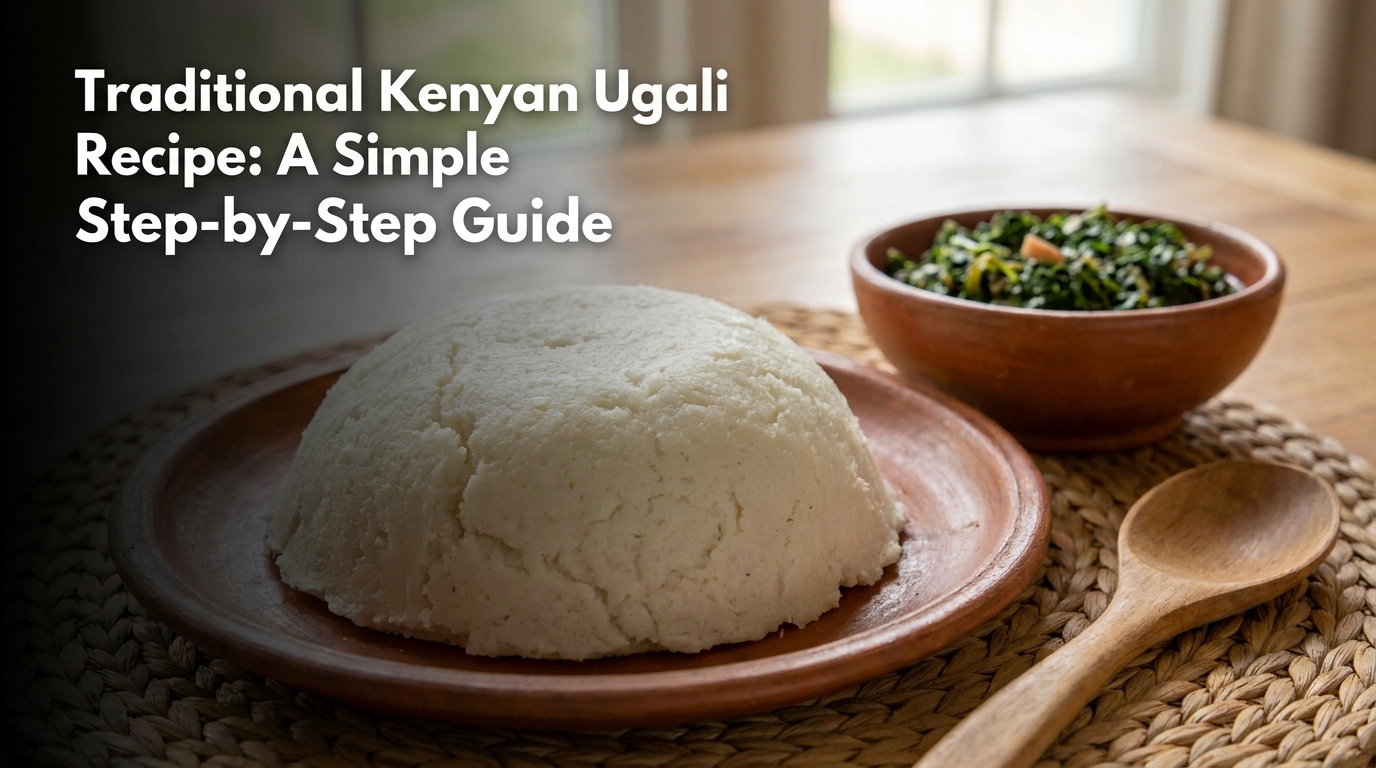
Have you ever wanted to try authentic African cuisine at home? You can easily start your culinary journey with a simple ugali recipe. This specific dish forms the absolute heartbeat of many East African meals. Millions of people across the region eat it daily for lunch and dinner.
Therefore, learning this recipe opens up a whole new world of culinary experiences. You only need two basic ingredients to get started. First, you need boiling water. Next, you need good quality maize flour. Many people find the entire cooking process surprisingly relaxing and rewarding. You might feel slightly intimidated at first. However, the stirring technique becomes second nature very quickly. Let us explore the origins and methods of making this beloved staple together.
The Cultural Importance of This Traditional Kenyan Dish
Every culture has a foundational carbohydrate that anchors its meals. For example, Asia relies heavily on rice for daily sustenance. Europe often depends on wheat bread or potatoes. Meanwhile, East Africa turns to this traditional Kenyan dish. Locals proudly serve it during special occasions and community gatherings. You cannot truly experience Kenyan food without tasting it.
This African staple food provides lasting energy for the entire day. Farmers and office workers alike appreciate its incredibly filling nature. Furthermore, it acts as the perfect canvas for rich meat stews. The neutral taste perfectly balances out heavily spiced vegetables and savory gravies. Therefore, mastering the basic recipe brings immense value to your kitchen. You will quickly realize why millions love this simple yet brilliant preparation.
Selecting the Best Cooking Maize Flour
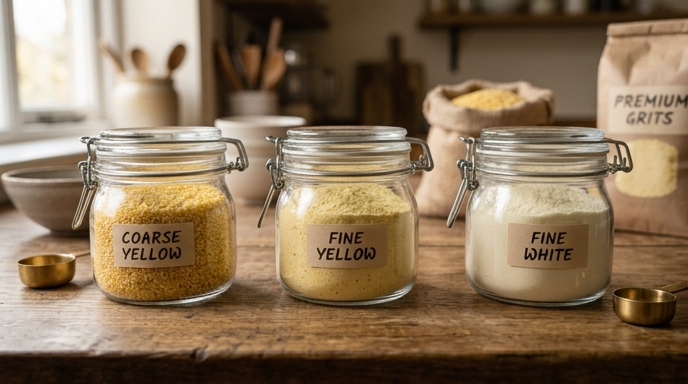
The quality of your flour directly affects the final cooking result. You should always look for fine white cornmeal in your local grocery store. Some specialty markets label it simply as maize meal. Make sure you avoid sweet corn flour entirely. That particular variety will not yield the firm texture you want. Also, check the expiration date carefully before purchasing. Fresh flour absorbs boiling water much better.
Different brands offer varying degrees of coarseness. Many experienced home cooks prefer a medium-fine grind. This specific texture creates a smooth but substantial bite. Moreover, an authentic ugali requires plain, unflavored flour. You should never add salt or butter to the boiling water. The true taste comes purely from the roasted maize flavor that develops during cooking.
| Servings | Water Amount | Flour Amount | Cooking Time |
| 2 People | 2 Cups | 1 Cup | 15 Minutes |
| 4 People | 4 Cups | 2 Cups | 20 Minutes |
| 6 People | 6 Cups | 3 Cups | 25 Minutes |
Step-by-Step Guide on How to Make Ugali
Now we can eagerly dive into the actual cooking process. First, bring your water to a rolling boil in a heavy-bottomed pot. A sturdy pot effectively prevents burning at the bottom. Next, pour the flour into the boiling water slowly. You must not dump it all at once. Otherwise, you will immediately create stubborn, dry lumps.
Use a strong wooden spoon to stir the mixture immediately. The consistency will quickly start resembling thick porridge. Then, keep adding flour gradually while stirring vigorously. You definitely need strong arms for this crucial part. The wet mixture will rapidly become very stiff and heavy.
Shaping the Perfect Mound
After adding all the flour, keep turning the mixture against the sides of the pot. This firm pressing action cooks the flour evenly throughout. Also, it effectively eliminates any hidden dry spots inside the dough. You should continue this turning motion for about ten straight minutes.
You will soon notice a pleasant roasted aroma filling your kitchen. This distinct smell indicates the flour is cooking properly. Finally, gather the mixture into a neat mound in the center of the pot. Turn off the heat immediately to prevent burning. Cover the pot and let it rest for two minutes. Flip the mound onto a warm plate and serve it hot.
Perfect Pairings for Your Fresh Meal
You should never eat this dish plain or by itself. It strictly requires flavorful companions to truly shine. For instance, you can easily pair it with sukuma wiki. This popular side dish consists of braised collard greens with fresh tomatoes and onions. Alternatively, you can serve it with a rich beef stew. The thick gravy clings perfectly to the warm cornmeal dough.
Many locals deeply enjoy it with nyama choma. This popular term translates to roasted meat, usually goat or beef. You simply pinch off a small piece of the dough. Then, you roll it into a neat ball with your clean fingers. Press your thumb into the center to make a small scoop. Finally, use it to pick up the meat and vegetables directly. This hands-on eating method makes the meal highly interactive and enjoyable.
Frequently Asked Questions About the Ugali Recipe
Can I use yellow cornmeal for this ugali recipe?
You can use yellow cornmeal if white is completely unavailable. However, the traditional recipe specifically calls for white maize flour. Yellow cornmeal alters both the color and the flavor slightly. White flour always provides the authentic, neutral taste that pairs best with Kenyan stews.
Why is my authentic ugali too lumpy?
Lumps usually form when you add the flour too quickly. Also, using cold water instead of boiling water causes severe clumping. You must stir vigorously from the very moment the flour hits the water. A strong wooden spoon helps smash any small lumps against the hot pot walls.
How do I store and reheat leftover cooked white cornmeal?
You can safely store leftovers in an airtight container in the refrigerator for two days. When you want to eat it, wrap it in a damp paper towel. Then, microwave it for one minute until it feels warm. Alternatively, you can slice the cold leftovers and pan-fry them for a crispy afternoon snack.
What makes this cooking maize flour different from polenta?
Polenta typically uses coarsely ground yellow corn. In contrast, this recipe uses finely ground white maize. Furthermore, cooks usually flavor polenta heavily with salt, butter, or cheese. This African recipe uses only water and flour to maintain a neutral base for savory side dishes.
Serving Up East African Traditions in Your Kitchen
Cooking international dishes brings amazing global cultures right to your dining table. This simple preparation actively teaches patience and proper stirring technique. You do not need expensive ingredients to create a highly filling meal. Instead, you just need sharp focus and a strong stirring arm. First-time cooks often feel incredibly proud when they successfully flip that perfect mound onto a plate.
You can confidently introduce this meal to your family and friends. They will surely enjoy the fun, interactive eating experience. Moreover, it naturally accommodates gluten-free diets without any extra effort. Therefore, you can easily add this to your weekly dinner rotation. Grab a bag of maize flour today. You are now fully ready to create a memorable African dining experience at home.