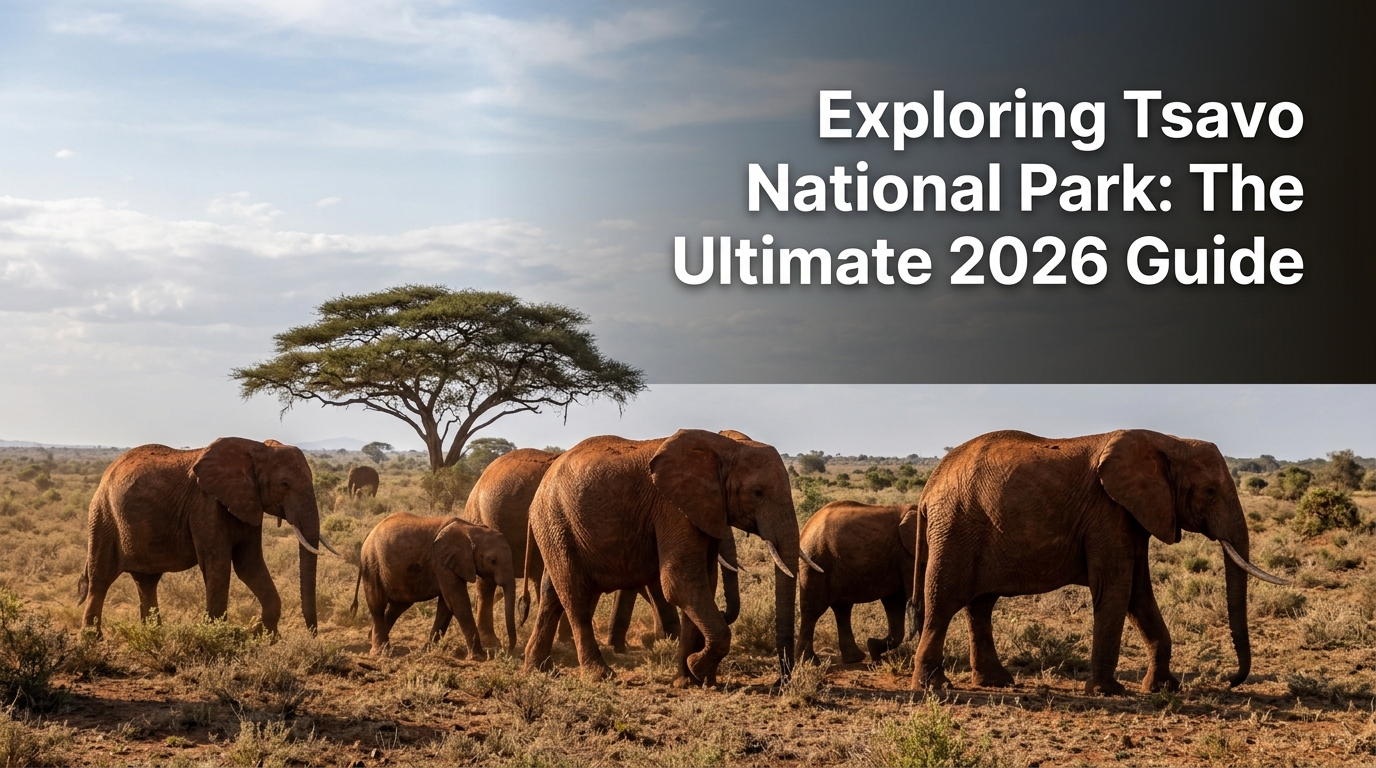

Planning a trip to East Africa requires thorough preparation, especially when choosing your departure dates. Kenya offers breathtaking wilderness attractions, ranging from the vast savannas of the Maasai Mara to the beautiful coastline of Diani Beach. Knowing the best time to visit Kenya helps travelers get the most out of their journey, whether they want to witness wildlife in action or enjoy calm, clear ocean waters. Climate variations across the country heavily influence wildlife visibility and trail conditions. Therefore, a deep understanding of local weather patterns is the ultimate key to a successful journey.
The climate in East Africa is generally divided into two main seasons: the dry season and the rainy season. Kenya’s unique geographical characteristics, straddling the equator, create dynamic weather patterns throughout the year. Tourists looking to focus on wildlife viewing typically choose the dry months because the savanna grass is short. Meanwhile, photography enthusiasts and birdwatchers often prefer months with moderate rainfall when the natural landscape looks exceptionally green and fresh.
Understanding the General Seasons and Weather in Kenya
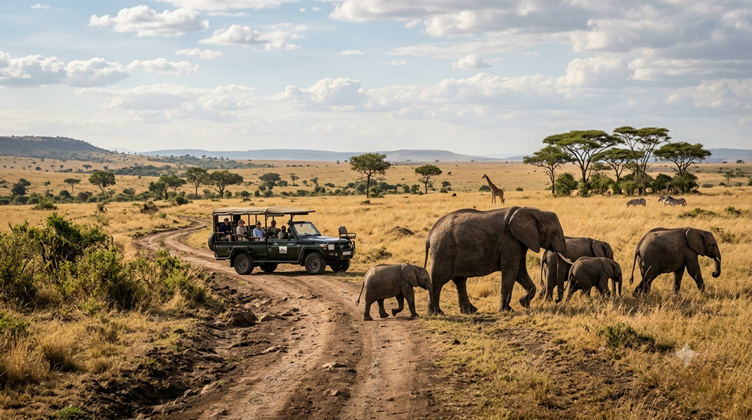
Broadly speaking, East Africa’s weather is influenced by monsoon winds that create two rainy periods and two dry periods. Understanding these patterns is essential so your trip runs smoothly without extreme weather disruptions.
Long Dry Season (July to October)
The long dry season is the most popular period for international tourists. The weather during these months is bright and clear with minimal rainfall. Vegetation in national parks dries out and thinns, making wildlife movement much easier to spot. Animals tend to gather around rivers or remaining waterholes, allowing safari guides to navigate vehicles efficiently. Daytime temperatures are cool and comfortable, though nights in highland areas can feel quite chilly. Official information regarding national park operations during this peak period can be monitored directly through the Kenya Wildlife Service website.
Short Rains (November to December)
As November arrives, Kenya enters a brief rainy period known as the Short Rains. Rain usually falls as brief afternoon or evening showers, which rarely disrupt daytime adventures. The landscape transforms back into lush green, offering a vibrant and refreshed view. This season also marks the arrival of various migratory bird species from the Northern Hemisphere, making it a special time for birdwatchers.
Short Dry Season (January to February)
After the brief rains subside, dry conditions return in January and February. The air tends to be warmer and drier compared to the mid-year period. This short dry season is ideal for travelers who want to avoid peak holiday crowds while still enjoying great weather for exploring the savanna. Wildlife viewing remains top-tier as water sources shrink once again.
Long Rains (March to May)
The long rainy period, or Long Rains, runs from March through May. Rainfall is quite heavy during this period and can continue all day long. Some dirt roads in conservation areas may turn into thick mud, making vehicle access challenging. Nevertheless, this season offers significantly more affordable accommodation rates and a much quieter park atmosphere away from the tourist rush.
The Great Migration Phenomenon and the Best Time to Witness It
One of the primary reasons travelers look for information on the Kenya safari’s best time to visit is to experience the movement of millions of wildebeests, zebras, and gazelles. This spectacular natural event, known as the Great Wildebeest Migration, sees vast herds move in search of fresh grazing pastures between the Serengeti in Tanzania and the Maasai Mara in Kenya.
The peak time for this massive movement within Kenya is between July and October. In July and August, massive herds begin entering the Maasai Mara region. The most heart-pounding moment sought by adventurers is the Mara River Crossing, where thousands of wildebeests charge across rivers inhabited by hungry Nile crocodiles.
Moving into September and October, the herds cover the Maasai Mara plains before eventually heading back south toward Tanzania in early November. To experience this event, you should book your stay ahead of time since there is a lot of interest from people all over the world during these busy periods.
Monthly Kenya Weather Breakdown and Top Activities
For better planning, here’s a breakdown of Kenya’s weather each month along with suggested activities to enjoy during your visit. Matching your itinerary with monthly conditions will maximize your trip experience using a comprehensive Kenya safari guide.
|
Month |
Season |
Average Temp (°C) |
Top Activities |
|
January |
Short Dry |
12°C – 28°C |
Safari, Beach Holidays, Mount Kenya Trekking |
|
February |
Short Dry |
13°C – 29°C |
Wildlife Viewing, Photography, Beach |
|
March |
Transition / Long Rains |
14°C – 29°C |
Bird Watching, Budget Travel, Photography |
|
April |
Long Rains |
15°C – 27°C |
Budget Travel (Low Season), Local Culture |
|
May |
Long Rains |
14°C – 25°C |
Lush Scenery, Culinary Experiences |
|
June |
Transition / Dry |
12°C – 23°C |
Early Season Safari, Avoiding Crowds |
|
July |
Long Dry |
11°C – 22°C |
Great Migration, Big Five Spotting |
|
August |
Long Dry |
11°C – 23°C |
Mara River Crossing, Family Safaris |
|
September |
Long Dry |
11°C – 25°C |
Prime Safari, Diani Beach Holidays |
|
October |
Long Dry |
13°C – 27°C |
Safari, Snorkeling, Coastal Diving |
|
November |
Short Rains |
14°C – 27°C |
Migratory Bird Watching, Green Safari |
|
December |
Short Rains / Dry |
13°C – 28°C |
Year-End Holidays, Safari, Beach |
Best Safari Season in Major National Parks
Adventures in national parks such as Amboseli, Tsavo, and Lake Nakuru have their own unique charm. In Amboseli, the dry season in Kenya from July to October brings spectacular, unobstructed views of Mount Kilimanjaro’s peak without heavy cloud cover. At the same time, massive elephant herds gather around open marshlands. Meanwhile, Lake Nakuru offers stunning views of flamingos lining the shores, especially when lake water levels stabilize mid-year.
Mountain Climbing and Trekking
For outdoor enthusiasts, climbing Mount Kenya calls for dry and stable weather conditions. January, February, and the period from July through September offer the safest trekking windows. During these months, the trails are not as slippery and the views are very clear, which helps hikers reach Point Lenana more safely.
Best Time for a Beach Holiday along the Kenyan Coast
Beyond its wild landscapes, Kenya features a stunning Indian Ocean coastline, including Diani Beach, Watamu, and Malindi. Setting your beach schedule depends heavily on monsoon winds, which affect ocean waves and water clarity.
October through March is the ideal window to enjoy Kenya’s coast. During this period, the sea tends to be warm, clear, and calm. These conditions are perfect for water activities such as snorkeling, scuba diving, and sailing on traditional dhow boats. Conversely, from May to July, strong winds frequently bring larger waves and seaweed to the shore, making swimming less comfortable.
Aligning Your Visit with Your Travel Budget
Budget constraints are often a primary consideration when choosing travel dates. Kenya’s tourism industry divides the annual calendar into three distinct pricing seasons.
- Peak Season (July – October & December): Accommodation and tour package rates reach their highest levels. Extremely high demand means you should secure tickets and lodgings at least 6 to 9 months before departure.
- Shoulder Season (January – February & November): An excellent choice for travelers seeking a balance between great weather and lower prices. Tourist numbers are lower than during peak months, giving your exploration a more private feel.
- Low Season (March – May): Hotels and tour providers offer substantial discounts. Even though you must navigate rainy days, this season delivers massive savings for budget-conscious travelers.
Selecting the Best Travel Season for a Maxed-Out Experience
Deciding on the best time to visit Kenya depends entirely on your personal priorities and travel style. If your main goal is to witness the spectacular Great Migration and capture Big Five wildlife photos under clear skies, plan your trip between July and October. This period consistently delivers the best visibility across the savanna. Meanwhile, if you prefer a combination of peaceful safaris, warm beaches, and more accessible rates, January and February are your best bets. Whichever month you choose, Kenya holds natural wonders ready to amaze every traveler. Start planning your journey today, lock in your accommodations early, and prepare for an unforgettable East African adventure.
Common Questions Before Traveling to Kenya
Can you still enjoy a safari in Kenya during the rainy season?
Safaris can still be enjoyed during the rainy season, particularly throughout the short rains in November and December. The landscapes look vibrant and green, and many young animals are born during this time. However, you will need a reliable 4×4 vehicle to navigate muddy dirt trails.
What is the best month to avoid tourist crowds in Kenya?
January, February, and November are the best months to dodge crowd density. Weather conditions during these months still favor wildlife viewing, yet visitor numbers are much lower compared to the July-August peak.
How many days are ideal for a safari in Kenya?
An ideal duration for a Kenya safari trip is 7 to 10 days. This timeframe lets you explore several top national parks, such as Maasai Mara, Amboseli, and Lake Nakuru, without feeling rushed.
Is it safe to swim at Kenya’s beaches year-round?
Swimming along the Kenyan coast is very safe, though the most enjoyable period runs from October to March. During these months, sea waves are calm and the water is remarkably clear, perfect for swimming and water sports.
When is the best time for birdwatching in Kenya?
November through April is the prime window for birdwatchers. Millions of migratory birds from Europe and Asia arrive at the lakes of Kenya’s Great Rift Valley during this time, joining native bird species during their breeding season.