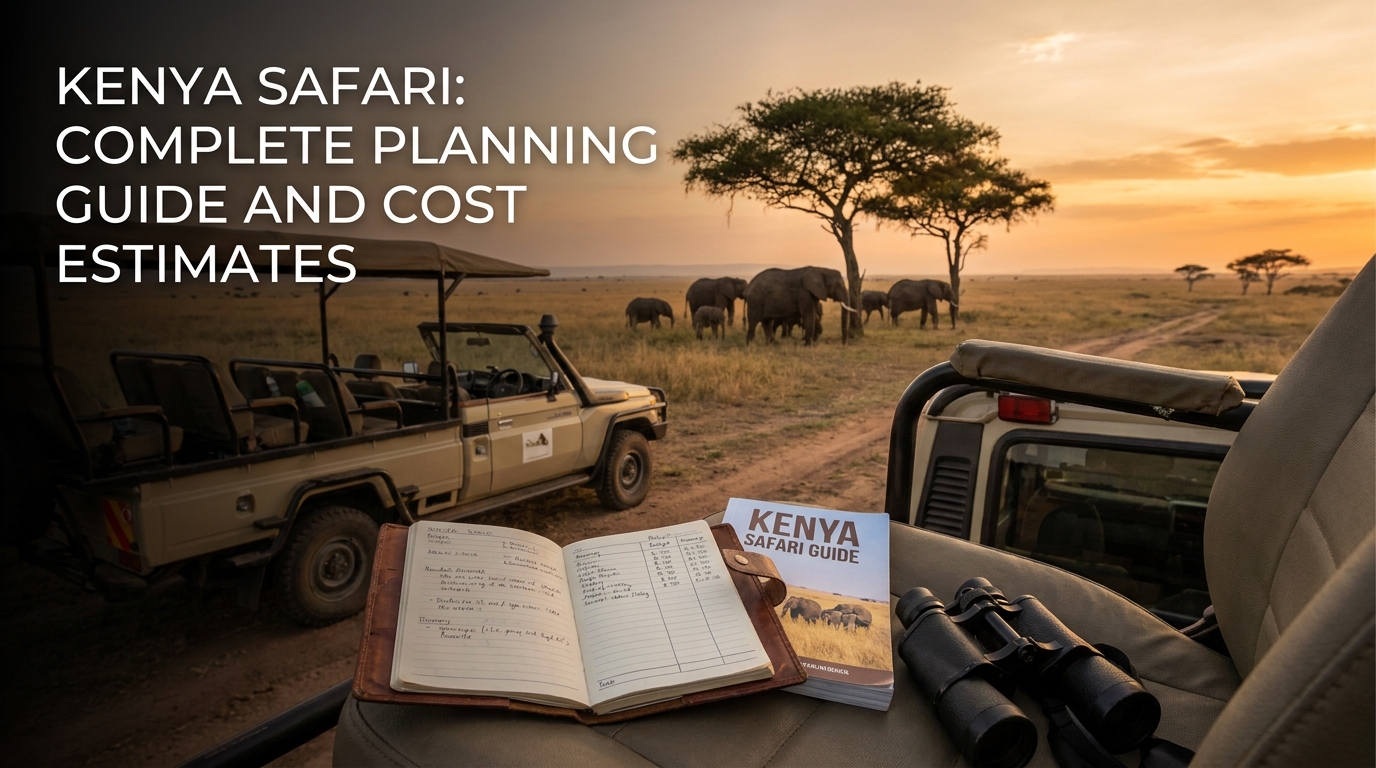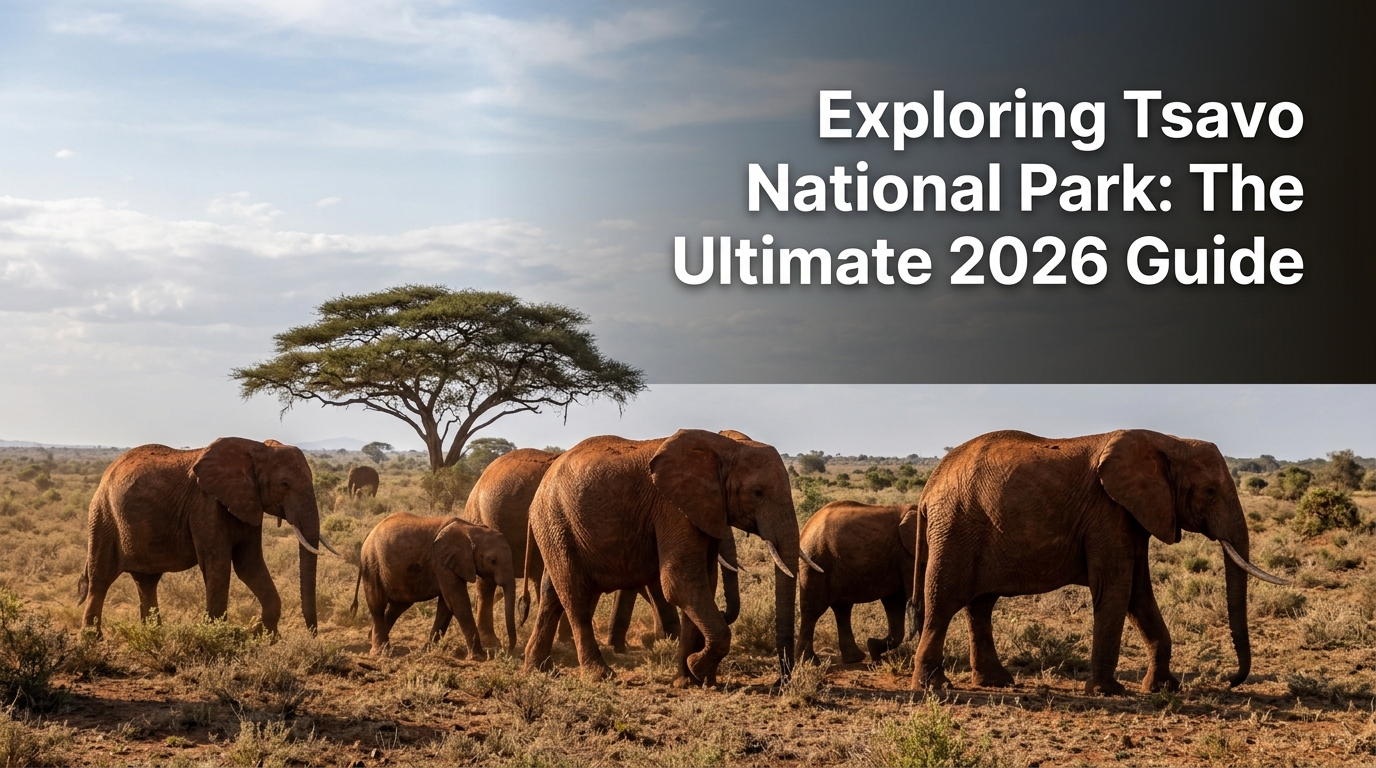
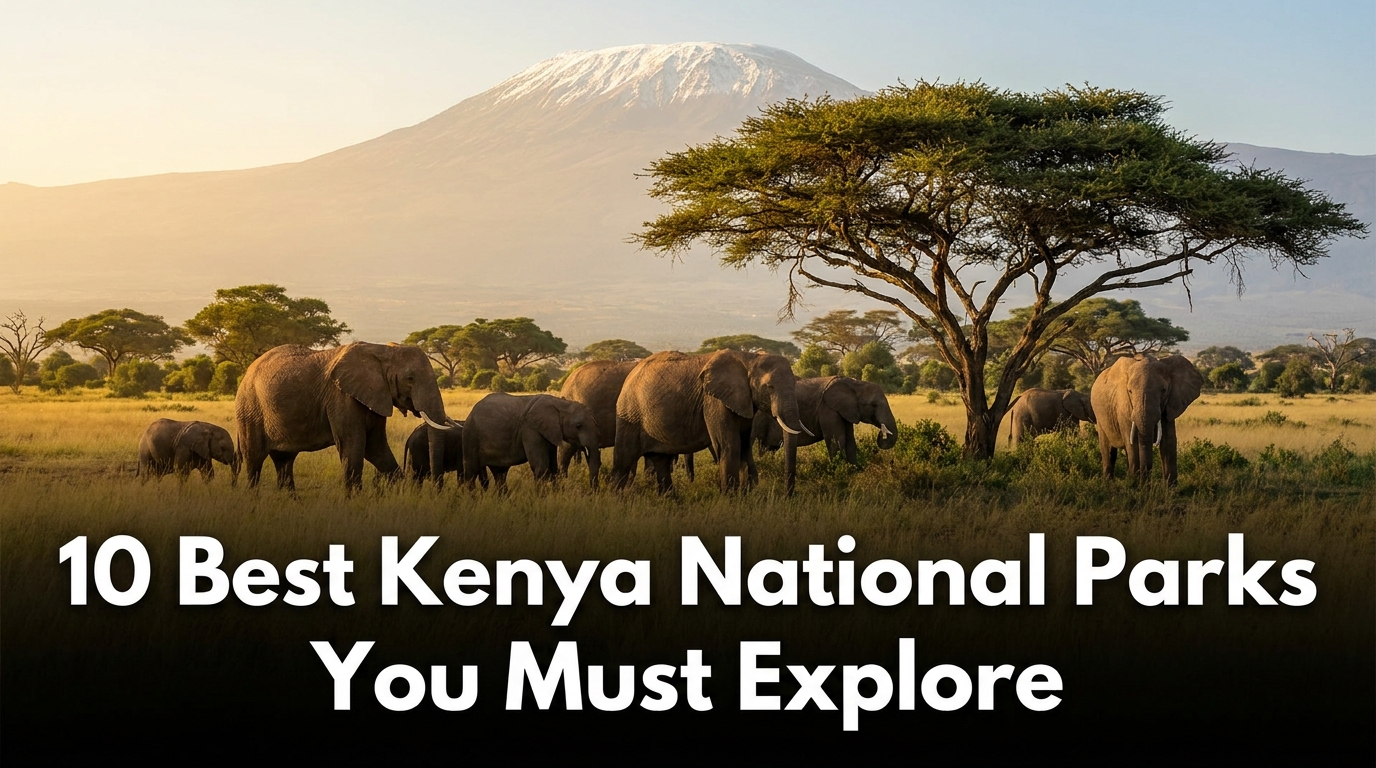
The African continent holds an enchanting natural biodiversity that captivates outdoor travel enthusiasts worldwide. Exploring conservation areas across East Africa offers the unforgettable experience of witnessing wild animals firsthand in their natural habitats. The wide selection of Kenya national parks serves as the primary magnet attracting international travelers every year.
Local authorities and wildlife protection agencies strictly manage these conservation zones to preserve the delicate savanna ecosystems. Each destination features breathtaking landscapes and unique wildlife populations. Understanding the specific characteristics of each park will help you plan a comfortable and efficient journey tailored to your available travel time.
Understanding the Classification of Kenya National Parks and Their Highlights
Wildlife sanctuaries in East Africa are categorized based on their geographic location and the endemic fauna inhabiting them. This structured layout helps travelers design an ideal safari itinerary.
| National Park Name | Key Highlight | Signature Fauna | Access from Nairobi |
| Maasai Mara Game Reserve | Great Wildlife Migration | Big Five, Wildebeest | 5-6 hours drive / 45 min flight |
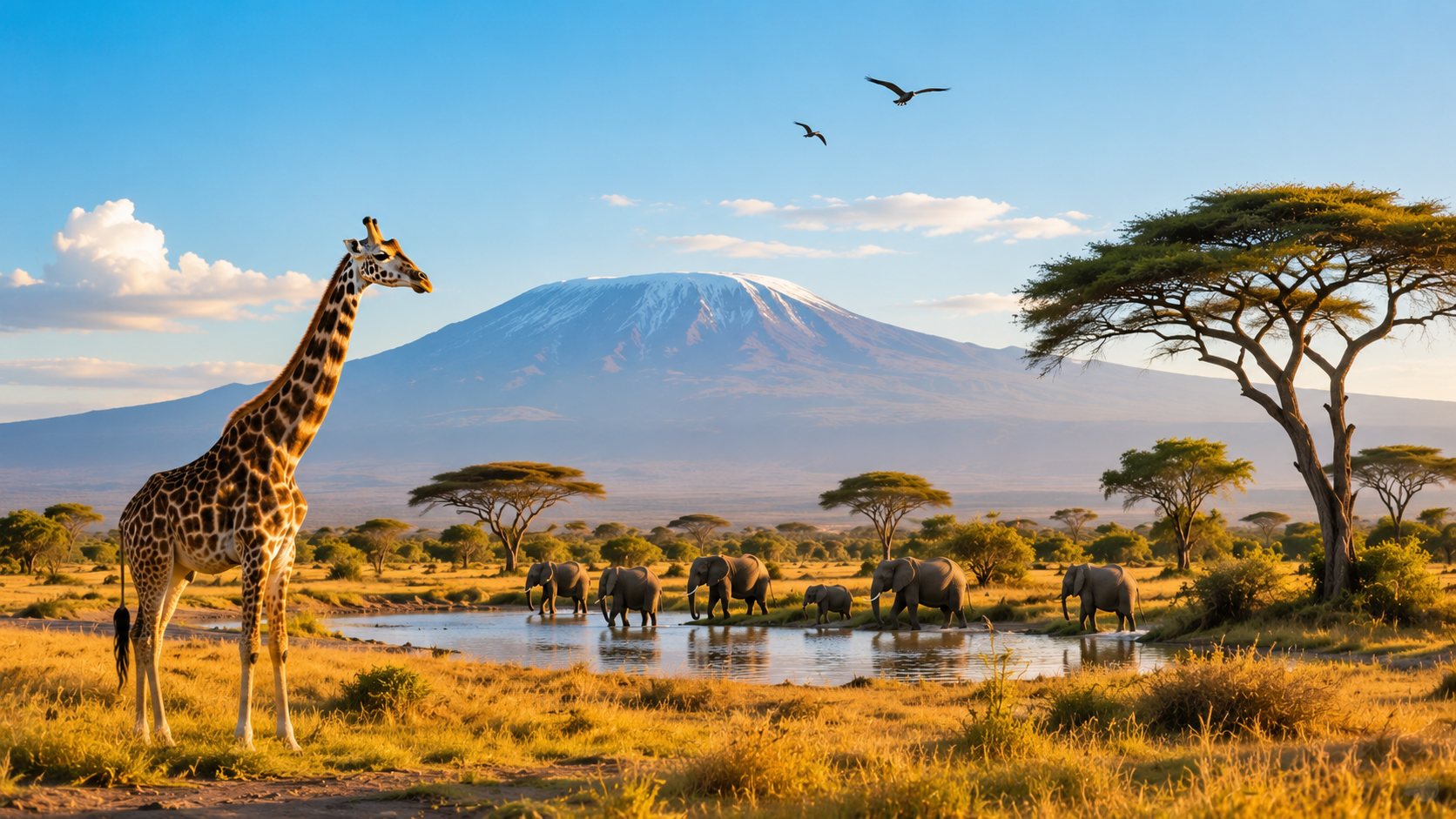
| Amboseli National Park | Mount Kilimanjaro views | Large African savanna elephants | 4 hours drive |
| Tsavo East & West | Largest conservation area | Red elephants, Tsavo lions | 5 hours drive / SGR Train |
| Lake Nakuru National Park | Saltwater lake ecosystem | Flamingos, Rhinos | 3 hours drive |
| Nairobi National Park | Proximity to city center | Black Rhinos, Giraffes | 30 minutes from downtown |
Most Popular Conservation Destinations
Maasai Mara stands out as the most iconic destination, world-famous for the dramatic phenomenon of thousands of animals crossing the Mara River. Visitors can witness apex predators hunting across vast open grasslands. This reserve is the top choice for anyone visiting the continent for the first time.
Scenic Landscapes and Lakes
Amboseli offers breathtaking panoramas framed by the majestic snow-capped peak of Mount Kilimanjaro. Meanwhile, the Lake Nakuru region delights visitors with massive flocks of vibrant birds along its shores. Combining these distinct natural landscapes provides incredible photography opportunities for nature enthusiasts.
Seasonal Guide for Kenya National Park Tours
Planning a successful outdoor adventure relies heavily on local weather patterns and wildlife movements within the protected zones.
Dry Season for Maximum Wildlife Viewing
The months from July to October represent the prime period to explore national parks in Kenya. Thinner grass vegetation makes it much easier to spot predator prides roaming the plains. Additionally, animals naturally congregate around remaining water sources, making game viewing effortless and predictable.
Rainy Season for Birdwatching Enthusiasts
Conversely, the period from November to April transforms the landscape into lush green plains. This time of year is ideal for birdwatching, as thousands of migratory bird species arrive from the northern hemisphere. Accommodation rates during these months are also significantly more affordable compared to peak travel seasons.
Favorite Kenya National Parks Off the Beaten Path
Beyond the famous reserves, several lesser-known protected areas offer pristine wilderness and fewer crowds.
Unique Highlights of Northern and Mountain Reserves
- Samburu National Reserve featuring rare wildlife species native to the northern region
- Mount Kenya National Park for high-altitude trekking and hiking enthusiasts
- Meru National Park showcasing lush riverine forests and dense vegetation
- Aberdare National Park featuring misty mountain atmospheres and waterfalls
- Hell’s Gate National Park offering self-guided cycling among wildlife
Samburu is famous for housing five unique species rarely found in southern parks, including the reticulated giraffe, Grevy’s zebra, and Somali ostrich. The quieter atmosphere provides an exclusive and personal connection with nature.
Hell’s Gate offers a completely different adventure experience since it is free from large predators. Visitors can safely hike or cycle past herds of zebras and gazelles. Its dramatic towering rock cliffs even served as the scenery inspiration for famous international animated films.
Travel Routes and Access from Nairobi
Reaching Kenya national park tours has become increasingly convenient thanks to continuous road infrastructure improvements and expanded air travel options.
Ground Transportation and Rail Services
Traveling in specialized four-wheel-drive safari vehicles remains the most flexible option for exploring remote inland areas. Modern SGR train lines also connect Nairobi to the Tsavo region with very short travel times. Standard ground routes allow travelers to appreciate local countryside views along the way.
Bush Flights to Remote Parks
If your travel time is limited, domestic bush flights aboard light aircraft offer the ultimate convenience. Every major protected reserve is equipped with reliable airstrips. Air travel cuts transit times dramatically, maximizing the time you spend on game drives.
The Role of Conservation Agencies and Wildlife Rules
Preserving East Africa’s delicate ecosystems relies on active management by dedicated environmental authorities. Official wildlife conservation boards safeguard fauna from poaching threats and habitat degradation.
Field rangers maintain ecological balance while involving local communities surrounding the park borders. Visitors are required to follow fundamental rules, such as remaining on designated vehicle tracks. These simple precautions ensure human presence does not disrupt natural animal behavior.
Partnering with certified local guides enhances your overall experience. Experienced trackers possess deep knowledge of animal behavior and spoor identification across the open terrain. Proper supervision keeps you safe inside vehicles throughout game viewing activities.
Unlocking a Unique Wilderness Adventure
Exploring various Kenya national parks yields unforgettable memories for every traveler. The combination of grand landscapes, rich biodiversity, and warm local hospitality makes this destination one that travelers long to revisit.
Careful route planning and choosing the right season ensure a seamless journey. Finalize your travel schedule today and witness Africa’s untamed wilderness in its natural state.
How many days are ideal for a safari trip in this region?
An ideal duration is five to seven days, allowing enough time to visit at least three distinct conservation areas without rushing.
Are these wildlife reserves safe for family vacations?
Yes, the reserves are safe for family travel provided all members follow guide instructions and adhere to safety rules inside vehicles.
What health documents are required before visiting?
Travelers are generally required to present a valid Yellow Fever vaccination certificate and take recommended malaria prophylaxis.
What type of clothing is best suited for a safari trip?
Wear lightweight cotton clothing in neutral tones like beige, tan, or olive green. Avoid bright colors that might attract insects or startle wildlife.
Are visitors allowed to feed the wildlife?
Feeding wild animals is strictly prohibited to preserve their natural foraging habits and protect their digestive health.