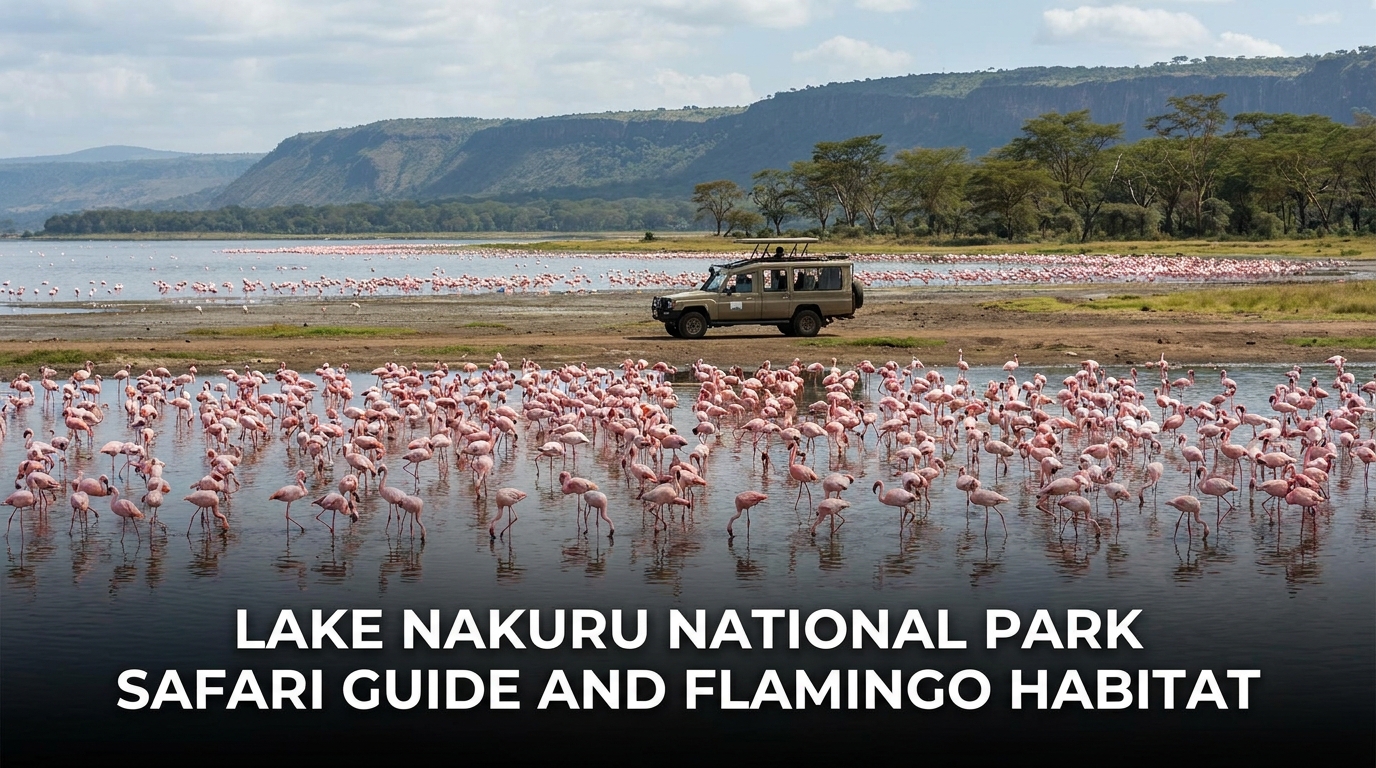
Embarking on a wildlife adventure in Africa always offers an extraordinary experience that is hard to find anywhere else in the world. A must-visit destination for your travel bucket list is Lake Nakuru National Park, famous for its mesmerizing natural environment. This conservation area presents breathtaking views of a vast soda lake that serves as home to millions of bright pink flamingos.
Located in the heart of Africa’s Great Rift Valley, this protected sanctuary is strictly managed by the Kenya Wildlife Service to preserve its delicate flora and fauna. Remarkably, travelers can witness wildlife interacting in their natural habitat without disturbing the fragile ecological balance. The serene atmosphere paired with the sounds of nature provides a truly refreshing retreat from the exhausting daily routine.
The Unique Soda Lake Ecosystem of the Great Rift Valley
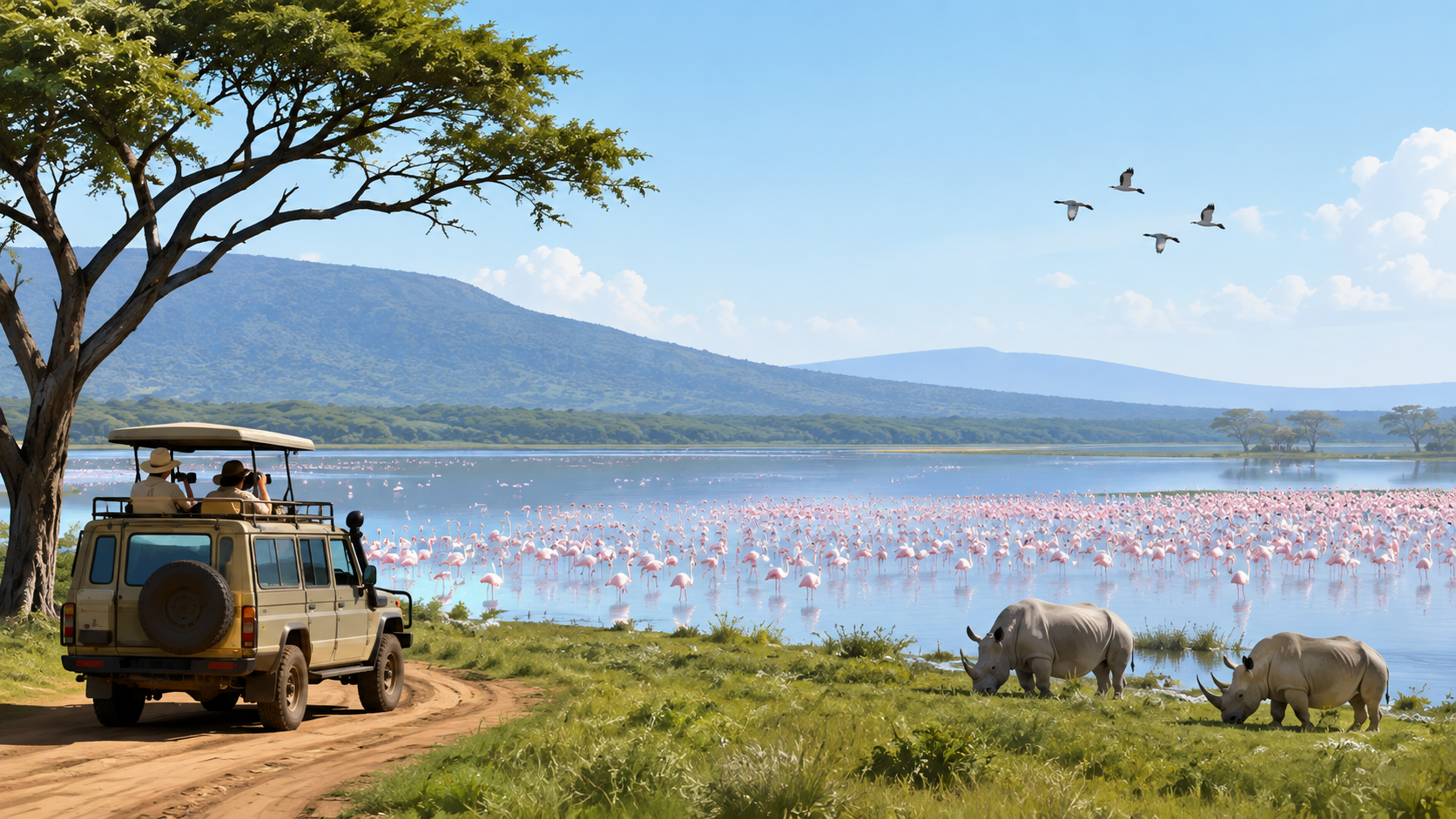
Geographically, this sanctuary lies within the magnificent basin of the Great Rift Valley, which stretches across eastern Africa. The presence of a soda lake with high alkaline levels creates a unique food chain that supports abundant algae growth, serving as the primary food source for birds.
Furthermore, these aquatic conditions make Lake Nakuru Kenya a major magnet for large flocks of waterbirds searching for food daily. Compared to typical freshwater lakes, this saltwater ecosystem features highly specific chemical properties that exclusively support select species. Large waterbirds dominate the water’s surface, creating a stunning visual spectacle for anyone observing them up close.
Fauna Conservation and Rare Rhino Haven at the Rhino Sanctuary
Beyond its breathtaking birdlife, this protected area serves as a vital wildlife sanctuary dedicated to saving endangered large animal populations. The management established a specialized Rhino Sanctuary within the national park to safeguard black and white rhinos from the destructive threat of poaching.
For nature enthusiasts, this designated zone offers a rare opportunity to observe these magnificent creatures from a safe distance under the guidance of professional trackers. Meanwhile, other wildlife-such as lions, leopards, buffaloes, and antelopes-coexist peacefully across the vast surrounding grasslands. The success of this breeding program demonstrates the unwavering commitment of conservation organizations toward preserving biodiversity for future generations.
Enjoying Spectacular Panoramas from Baboon Cliff
A wildlife exploration would be incomplete without stopping at the park’s most popular lookout point. The sheer precipice known as Baboon Cliff delivers expansive panoramic views overlooking the charming turquoise waters below.
Before visiting this location, ensure your personal belongings are secure, as the resident baboon population around the cliff actively interacts with travelers. For the best experience, arrive early in the morning when sunlight illuminates the valley landscape perfectly and dramatically without cloud obstruction. The sprawling savanna blended with the lake waters creates an awe-inspiring photo backdrop for adventure photography enthusiasts.
Practical Tips for Planning a Lake Nakuru Safari
Getting ready for a safari adventure demands meticulous attention to specifics to ensure that all planned activities proceed seamlessly in the wilderness. Be sure to book a specialized four-wheel-drive vehicle equipped for rugged terrain to ensure a safe and comfortable journey through muddy dirt tracks.
Additionally, bringing a pair of long-range binoculars is essential for clearly observing bird and animal activity from a distance without disturbing their peace. Always adhere strictly to the rules set by local park rangers to ensure personal safety and the preservation of wild animals within the sanctuary. Packing layered clothing is highly recommended, as temperatures in the valley’s higher altitudes can shift rapidly throughout the day.
Frequently Asked Questions About Kenya Travel Destinations
What is the ideal time to explore this national park?
Visits are ideal year-round, but the dry season from June to October offers optimal road access and wildlife viewing opportunities.
Are large mammals like lions easy to find here?
Lions and leopards inhabit the area, but spotting them depends on luck and the guide’s tracking precision.
What are the main bird species that serve as the primary attraction?
The most dominant attraction is the presence of thousands of flamingos crowding the shores of the soda lake with their distinct pink plumage.
Are visitors allowed to step out of their safari vehicles?
Visitors are strictly prohibited from exiting vehicles outside designated picnic areas or official viewpoints for personal safety regarding wild animals.
What is the ideal duration to explore the entire national park?
A duration of one to two full days is sufficient to enjoy the lake views and observe various wildlife across the main land areas.