

Caffeinated beverage enthusiasts worldwide consistently place specialty beans from East Africa at the very top of their preference lists. This global acclaim stems from decades of rich agricultural tradition and ideal natural conditions. The unique geography of the region allows coffee trees to yield berries packed with complex flavors and enchanting aromas. Sipping a freshly brewed cup of Kenya coffee delivers a distinct sensory experience that sets it apart from harvests produced in other parts of the world.
The popularity of these specialty beans continues to climb steadily across international markets. Coffee connoisseurs frequently seek out seasonal micro-lots to enjoy their vibrant acidity and fruit-forward notes. Compared to offerings from South America or Southeast Asia, local crops present a bright, wine-like character that captivates both home brewers and professional baristas alike.
Discovering the Appeal of Kenya Coffee
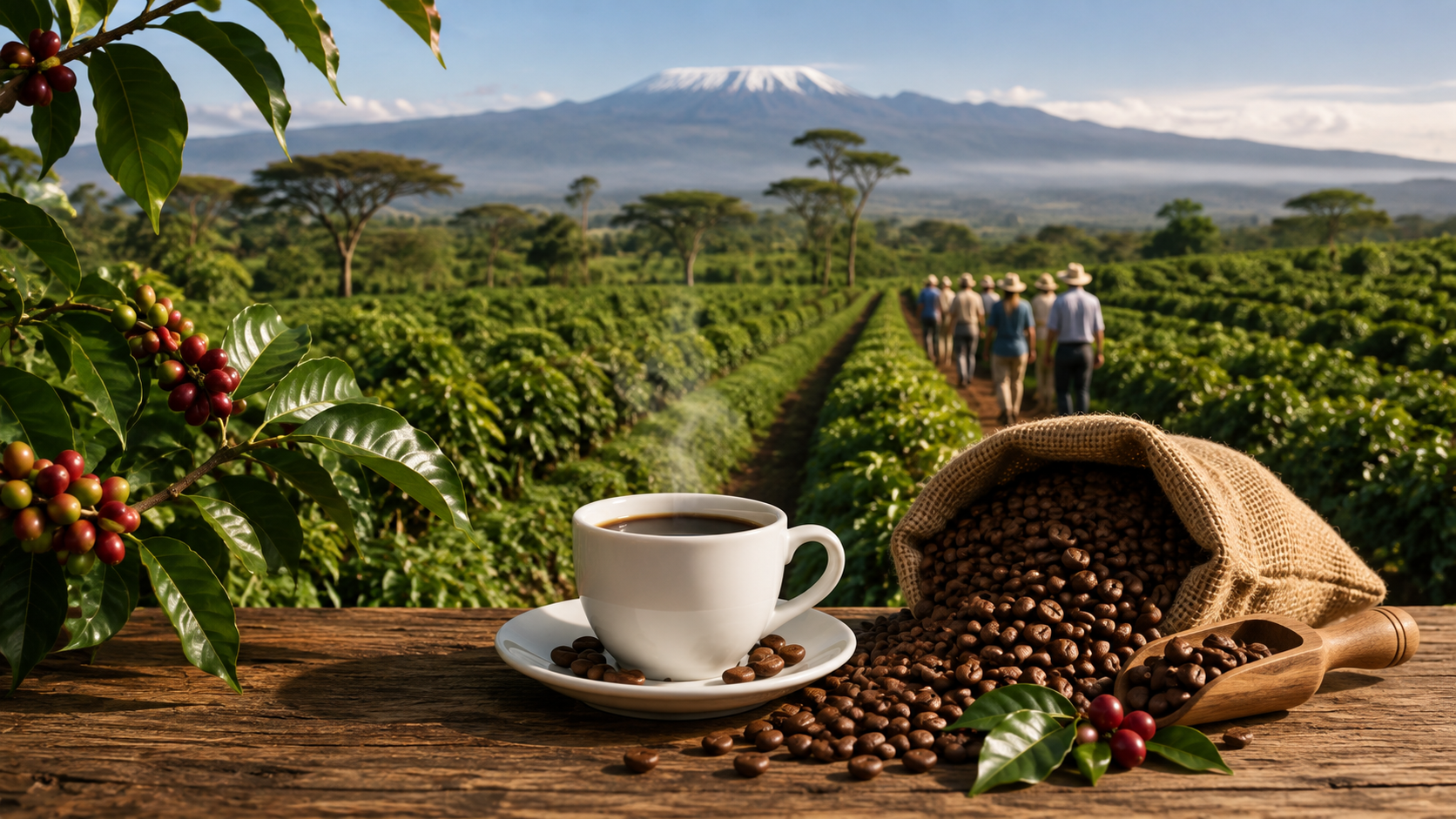
The primary strength of this prized agricultural commodity lies in its remarkable geographical foundation. High-altitude volcanic plateaus supply abundant natural nutrients directly to the soil. Cool microclimates combined with balanced rainfall patterns encourage coffee cherries to ripen at a slow, steady pace. This prolonged ripening cycle allows natural sugars to concentrate deep within the fruit, resulting in a rich sweetness.
Post-harvest processing in the region is renowned for its strict adherence to quality standards. Local farmers utilize a traditional wet-washing method using pure river water to remove the fruit pulp cleanly. This meticulous washed processing preserves the natural purity and clarity of the intrinsic flavor of the beans. State regulatory bodies consistently enforce these high production standards to guarantee excellence across every harvest.
A Brief History and the Role of the Coffee Board of Kenya
Commercial cultivation in the region traces its roots back to the late nineteenth century. Recognizing the immense economic potential of the crop, local authorities eventually established the Coffee Board of Kenya to oversee trade regulation, quality control, and research. This governing body ensures that exported harvests adhere to strict international trade specifications while providing technical training to farming communities. Through structured support, smallholder farmers maintain the expertise needed to produce world-class yields year after year.
Unique Flavor Profile and Distinct Characteristics
Exploring a classic Kenyan coffee flavor profile is a delightful adventure for the palate. The tasting experience is defined by a striking, luminous acidity often compared to blackcurrants, ripe berries, or sun-ripened citrus fruits. This vibrant tartness balances harmoniously with fragrant floral aromas and subtle undertones of cane sugar.
Furthermore, the finish remains remarkably clean, lingering pleasantly without leaving a harsh or bitter aftertaste on the tongue. The medium to full body creates a rich mouthfeel while maintaining a refreshing quality throughout every sip. Due to these dynamic attributes, top baristas frequently choose these beans as centerpiece selections in international manual brewing competitions.
Why the Bright Acidity Is So Dominant
Coffee lovers often wonder why the bright acidity in these beans stands out so prominently compared to other origins. The answer rests beneath the surface in the mineral-rich volcanic soil surrounding snow-capped peaks. Highly fertile red soils supply an abundance of natural organic acids that plants absorb through their extensive root networks. High elevation further enhances this acidity by slowing cherry development, locking in sparkling fruit flavors.
Top Varieties and Grade AA Classification
Local processing mills apply a meticulous grading system based on bean size, weight, and density. Among the various tiers, AA grade coffee occupies the highest status in the export hierarchy. These large, dense beans undergo multiple screening stages using precision machinery followed by painstaking hand sorting. The result is a remarkably uniform batch that yields an optimal extraction rate during brewing.
Simultaneously, roasters actively source specific cultivars of Kenyan coffee beans known for superior cup quality. Choosing the right cultivar determines the depth, sweetness, and complexity found in the final cup. Agriculture specialists continue researching resilient crop varieties to safeguard the nation’s stellar reputation in the specialty coffee industry.
Understanding SL28, SL34, and Ruiru 11 Varieties
The SL28 and SL34 cultivars remain legendary among coffee professionals due to their extraordinary flavor complexity. Developed by Scott Laboratories in the 1930s, these plants feature deep root systems that thrive in high-altitude environments and resist mild drought conditions. On the other hand, the Ruiru 11 variety was carefully bred to resist common plant diseases such as coffee berry disease and leaf rust. Combining these distinct varieties guarantees a steady, reliable supply of high-grade beans every season.
Exploring the Best Coffee Plantations in the Highlands
A trip to East Africa is hardly complete without witnessing the journey from tree to cup firsthand. Travelers can easily organize an immersive Kenya coffee tour to visit historical estates and cooperative washing stations across the central highlands. Walking among rows of glossy green coffee trees offers peaceful countryside views alongside valuable agricultural insights. Local farming families warmly welcome visitors, sharing stories about their harvesting techniques and community heritage.
Enjoying the Beauty of Mt. Kenya Region and Nyeri
The Mt. Kenya region boasts breathtaking landscapes set against dramatic mountain backdrops. Within this area, the Nyeri district stands out as one of the most celebrated coffee-producing hubs on earth. Rich volcanic soils in Nyeri produce beans packed with intense blackcurrant and tropical fruit notes. Visitors can watch pickers selectively hand-harvest ripe red cherries during peak picking months. Between estate visits, travelers can also explore surrounding wilderness parks to experience Kenya nature tourism at its finest.
A Beginner Guide to Nairobi Coffee Tasting
For travelers with limited time to venture deep into rural provinces, the bustling capital offers a convenient alternative. Participating in a professional coffee tasting in Nairobi has become a popular culinary attraction for urban explorers. Specialized specialty cafes and roasteries throughout the city host guided cupping sessions led by certified baristas. Participants learn to identify subtle flavor notes, evaluate body, and appreciate traditional brewing methods.
Helpful Tips for Buying Authentic Coffee Beans
Bringing home fresh roasted beans is a highlight for every visiting enthusiast. To ensure authenticity, purchase bags directly from established roasteries, estate gift shops, or verified farmer cooperatives. Always examine the packaging label to confirm that origin details, processing methods, and roast dates are clearly displayed. Searching for recognized offerings from the best Kenya coffee brands guarantees that you take home genuine specialty quality rather than commercial blends.
Conclusion
Taking a deep dive into this celebrated agricultural treasure opens up exciting insights into global culinary culture. The powerful combination of nutrient-dense volcanic soil, high altitudes, and meticulous washing practices yields a beverage of extraordinary distinction. Experiencing a freshly brewed cup of Kenya coffee alongside a guided tour of highland estates creates cherished memories that last long after your trip ends. Consider adding a visit to a local estate on your next itinerary to discover the true essence of East African coffee culture.
Popular Questions Regarding Kenya Coffee and Farm Tours
What makes coffee beans from this region so special?
The combination of mineral-rich volcanic soil, high elevation microclimates, and rigorous wet-washing processing produces a bright acidity with intense fruity and floral flavor notes.
When is the best time to go on a farm tour in the country?
The main harvest season running from October through December and the secondary harvest from April through June are ideal times to observe harvesting, washing, and drying operations in full swing.
Where can travelers taste high quality local brews?
The capital city of Nairobi features numerous specialty cafes and modern roasteries that offer professional tasting sessions and manual pour-over options.
What does the AA grade label indicate on packaging?
Grade AA signifies that the beans are the largest physical size and highest density from the harvest, having passed strict screening for international export quality.
How should you store purchased coffee beans to keep them fresh?
Store your whole beans in an airtight container in a cool, dark place away from direct sunlight, moisture, and heat to preserve their original aromas and flavors.