Exploring vast savanna plains stretching to the horizon is a dream for wilderness adventure lovers worldwide. Experiencing the African wild firsthand delivers a sense of freedom that is hard to match by any other holiday destination. For travelers seeking direct encounters with African wildlife, joining a Masai Mara safari is a once-in-a-lifetime must-do adventure.
Located in southwestern Kenya, this region offers spectacular landscapes that are home to millions of wild animals. Undulating golden meadows, renowned acacia trees, and meandering rivers form an astonishing natural scenery. Beyond presenting stunning visual scenery, this area holds a continuous drama of wildlife survival throughout the year.
Understanding the Mara National Reserve Ecosystem and the Charm of the Big Five
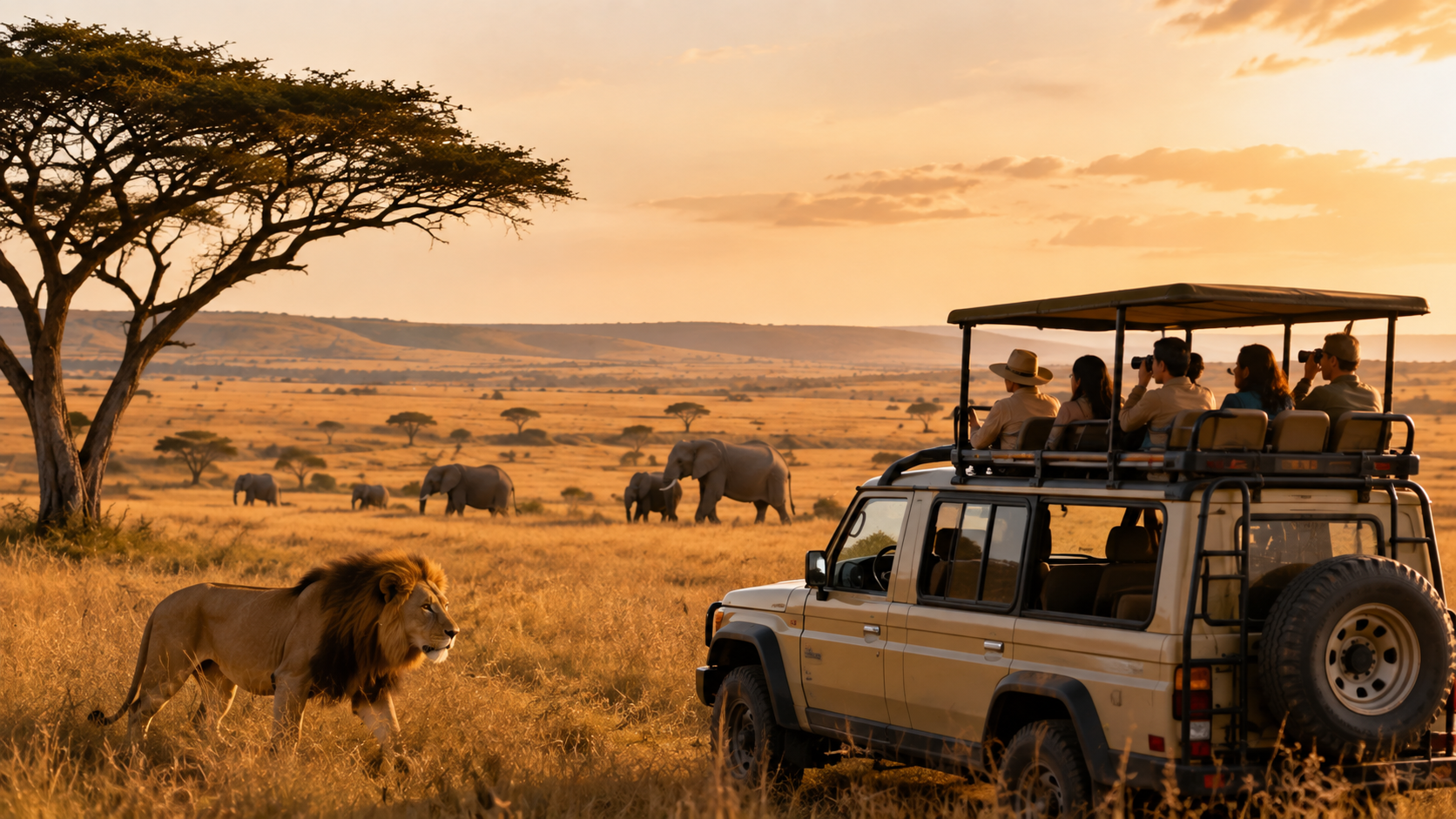
This premier African protected area borders directly with Serengeti National Park in Tanzania. Combined, these two regions create the Serengeti Ecosystem, known as one of the most thriving wildlife habitats globally. Spanning over fifteen hundred square kilometers, this region is strictly managed by the local government through the official Kenya Wildlife Service, successfully preserving a relatively intact and natural ecosystem.
Remarkably, this area serves as an ideal home for the legendary animal group known as the Big Five safari. This term includes five major African terrestrial animals: lions, leopards, elephants, black rhinos, and African buffaloes. The lion population here is one of the densest on the African continent. Visitors can observe prides of lions resting under the shade of acacia trees or stalking prey in the tall grass.
At the same time, biodiversity in the Masai Mara game reserve extends beyond just the Big Five. Various species of cheetahs, hyenas, Masai giraffes, zebras, and hundreds of exotic bird species grace its landscape. An abundance of food and water supply from the main rivers turns this area into a magnet for the survival of numerous herbivorous and carnivorous mammals. Every corner of the reserve presents ecological dynamics ready to captivate every visitor.
Monthly Schedule of the Great Migration Phenomenon and River Crossing
The main attraction that makes this region world-famous is the mass animal movement known as the Great Migration Kenya. This natural event involves the movement of over 1.5 million wildebeest, hundreds of thousands of zebras, and herds of gazelles moving in a circular path searching for fresh green pastures and water sources. Understanding their monthly movement is crucial to determining the optimal time for your visit.
From January to March, these large herds reside in southern Serengeti to give birth to their calves. This period is highly dramatic, attracting apex predators ready to hunt. Moving into April and May, heavy rainfall prompts the herds to begin moving northwestward.
Movement toward Kenya becomes clearly visible between June and July. In this period of change, large groups of wildebeests begin to assemble by the riverbanks. The peak of this most-anticipated natural phenomenon occurs from August to October. It is during this period that the historic Mara River crossing takes place with immense drama. Thousands of wildebeest leap down riverbanks and brave swift currents infested with giant Nile crocodiles.
In November and December, grass stocks in the northern region start to decrease. Herds gradually move back south into Tanzania with the onset of short rains. Compared to other months, the August to October period offers the highest chance of witnessing thrilling river crossings.
Accommodation Options and Estimated Masai Mara Safari Cost Breakdown
Budget planning is a vital element when organizing a trip to East Africa. The total Masai Mara safari cost is heavily influenced by the level of accommodation comfort, transport mode, and length of stay. Travelers can choose from three main accommodation categories located both inside and outside the reserve.
The first category is Budget Camping, ideal for backpackers or budget-conscious travelers. Facilities include standard dome tents with shared or basic en-suite bathrooms. The second category, Mid-range Lodges, offers permanent structures or semi-permanent tented camps with full amenities, swimming pools, and restaurants. The third category is the Masai Mara luxury safari option, featuring five-star luxury tented camps complete with highly exclusive butler services.
| Accommodation Category | Est. Cost per Night (USD) | Main Facilities | Transport Type |
| Budget Camping | $150 – $250 | Standard tent, shared dining, simple bathroom | 4×4 Safari Van (Overland) |
| Mid-range Lodge | $350 – $650 | Permanent room, pool, restaurant, Wi-Fi | 4×4 Land Cruiser / Domestic Flight |
| Luxury Tented Camp | $800 – $1,800+ | Luxury tent, private butler, gourmet dining, river view | Fly-in Safari from Nairobi |
Note that reserve entry fees also adjust based on high and low seasons. Conservation park fees for international tourists range from 100 to 200 USD per person per day. In addition to accommodation and ticket fees, travelers should factor in transport options from Nairobi. Overland travel by Safari Land Cruiser takes about five to six hours, while a short domestic flight from Nairobi Wilson Airport takes only forty-five minutes.
The Best Adventure Experiences Hot Air Ballooning and Big Five Safari
Exploring the savanna landscape is not limited to four-wheel-drive vehicles. One of the most magical and highly recommended adventures is taking a hot air balloon safari at dawn. Gliding above the vast plains while watching the sunrise offers a serene perspective. From high above, you can spot herds of elephants and giraffes walking across the grasslands undisturbed by vehicle engine noise.
Upon landing safely in the middle of the savanna, flight operators typically serve a high-end breakfast complete with champagne. This open-air dining experience creates romantic memories that are hard to forget. Beyond that, morning and afternoon game drives remain the core of the safari experience. Experienced driver-guides track animal footprints to locate leopards hiding in tree branches.
Equally captivating, cultural interactions with the local Maasai people complete your journey. Travelers can visit traditional villages called Manyatta to learn about local wisdom in maintaining harmony with wildlife. The Maasai are renowned for their bright red Shúkà attire and their distinctive jumping dance known as Adumu. This local insight adds rich educational and human value to your adventure.
Practical Tips for Choosing Masai Mara Safari Packages for Beginners
Selecting a credible tour operator is key to a smooth African adventure. When evaluating various Masai Mara safari packages options, ensure the provider includes a 4×4 Land Cruiser with a pop-up roof. This vehicle type is far more capable of handling muddy terrain than a standard van. Also, verify that the package includes a licensed guide fluent in English or other international languages.
Before traveling to Kenya, medical preparations and travel documents must be finalized well in advance. The Kenyan government mandates a Yellow Fever vaccination certificate for all incoming travelers. As a precaution, carrying malaria prophylaxis and insect protection is strongly recommended. Opt for neutral clothing colors like beige, khaki, or olive green to blend into the environment and avoid attracting unwanted insects.
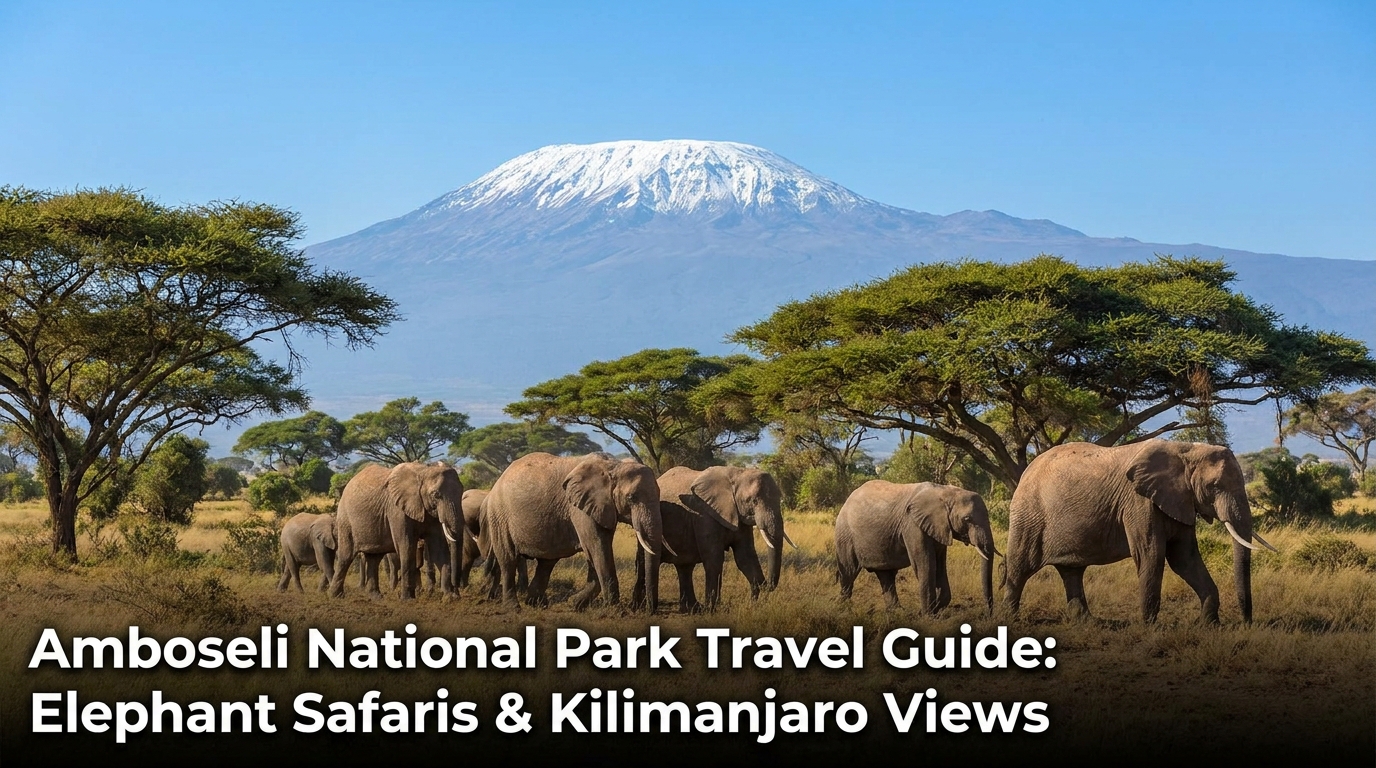
As an additional recommendation, allocate at least three to four days for your stay in the reserve. This duration provides enough flexibility to explore different sectors without rushing. You can also combine this trip with other Kenya travel destination options, such as Lake Nakuru or Amboseli National Park, famous for its backdrop of Mount Kilimanjaro.
Planning Your Kenya Safari for a Dream Adventure
Journeying across the African landscape delivers an authentic encounter with pure natural wonders that are second to none. The rich wildlife diversity, the awe of the Great Migration, and the warm local culture make it a priority destination on any travel wishlist. Watching wild animals roam freely in their natural habitat grants a fresh perspective on the vital importance of sustainable ecosystem conservation.
With careful budget planning and optimal timing, your dream African adventure can seamlessly come to life. Evaluate your travel needs, select accommodations aligned with your comfort preferences, and secure your package with a trusted tour operator. Start crafting your Masai Mara safari itinerary today and experience the captivating magic of the African wild.
Popular Questions About Masai Mara Safari Adventures
When is the best time to visit and witness the Great Migration Kenya?
The best time to witness the peak animal movement and river crossing phenomenon is between August and October. During these months, millions of wildebeest and zebras gather in Kenya to feed on fresh grass. Weather conditions during these months are typically clear and dry, facilitating smooth vehicle movement on safari routes.
What is the average estimated Masai Mara safari cost for a 3-day 2-night trip?
Total estimated costs depend heavily on your chosen travel style. For budget camping, costs range from 600 to 900 USD per person. Mid-range lodge stays range between 1,200 and 2,200 USD per person. Meanwhile, exclusive luxury options can reach 3,000 USD or more per person, including domestic flights and private butler service.
Is the Masai Mara game reserve area safe for family vacations with children?
The reserve is very safe for families and children as long as basic safety guidelines are followed. All game viewing activities take place inside enclosed safari vehicles accompanied by licensed professional guides. Many lodges and camps offer family-friendly amenities and educational wilderness programs for kids.
What is the difference between staying inside the reserve versus in outer conservancies?
Staying inside the reserve provides close proximity to key wildlife action and riverbanks. On the other hand, staying in outer private conservancies offers greater exclusivity, such as permissions for walking safaris, night drives, and strictly limited vehicle numbers to avoid overcrowding.
Which documents and vaccinations are mandatory before flying to Kenya?
Primary requirements include a passport valid for at least six months, an approved Kenya eTA (Electronic Travel Authorization), and an official Yellow Fever vaccination certificate. Additionally, travelers are strongly advised to consult a doctor for malaria prophylaxis and secure international travel insurance covering emergency medical evacuation.